Choosing Your Eco-Story: GOTS vs. GRS
Your choice of an eco-friendly lanyard sends a powerful message. This guide helps you understand the two leading certifications to tell the most authentic and impactful brand story for your lanyards.
Quick Comparison: GOTS vs. GRS
Use this table for a high-level overview of the two main eco-certifications for textiles.
| Feature | GOTS (Global Organic Textile Standard) | GRS (Global Recycled Standard) |
|---|---|---|
| Core Focus | Verifies the organic status of textiles | Verifies the recycled content of products |
| Relevant Lanyard Materials | Organic Cotton, Bamboo Fiber | Recycled PET (rPET), Recycled Nylon |
| Brand Message | Natural, Pure, Wellness, Farming Responsibility | Innovation, Circular Economy, Waste Reduction |
| Key Requirement | Minimum 70% certified organic natural fibers | Minimum 20% certified recycled material |
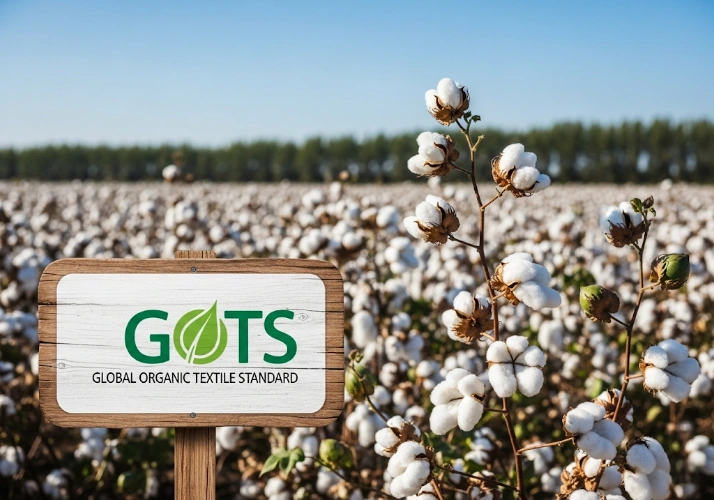
Deep Dive: GOTS (The Organic Standard)
GOTS is the worldwide leading textile processing standard for organic fibers. It ensures the entire supply chain—from the harvesting of raw materials, through environmentally and socially responsible manufacturing, up to labelling—is certified organic.
- What it Guarantees: That the cotton or bamboo in your lanyard was grown without GMOs, without highly hazardous chemicals, and with sustainable farming practices.
- Choose GOTS if Your Brand is About: Health, wellness, natural products, agriculture, or premium quality for children and families.
Deep Dive: GRS (The Recycled Standard)
The GRS is a comprehensive, voluntary, international product standard that sets requirements for third-party certification of recycled content, chain of custody, social and environmental practices, and chemical restrictions.
- What it Guarantees: That the rPET in your lanyard is genuinely made from post-consumer recycled materials (like plastic bottles) and that its production process meets strict social and environmental criteria.
- Choose GRS if Your Brand is About: Technology, innovation, sustainability, urban lifestyle, or reducing plastic waste.

Expert Advice: How to Choose
The best certification is the one that tells the most authentic story about your brand.
Your brand values a "farm-to-product" story. You are in the food, wellness, or children's industries. You want to convey a message of purity, natural quality, and care for the earth's agricultural resources. The luxurious softness of organic cotton or bamboo aligns with your premium positioning.
Your brand values a "waste-to-product" story. You are in the tech, manufacturing, or events industry. You want to convey a message of innovation, problem-solving, and a commitment to the circular economy. The durability and vibrant printing capabilities of rPET are a perfect match for your needs.
Frequently Asked Questions
No. They are both gold-standard certifications that focus on different aspects of sustainability. GOTS focuses on the organic origin of materials, while GRS focuses on the recycled origin. The "better" choice depends entirely on your brand's specific sustainability story.
Yes, typically they do. The cost reflects the rigorous auditing, certified raw materials, and specialized supply chains required. However, this investment translates into a more powerful and authentic brand message, which can be a significant competitive advantage.
No, this is not possible. GOTS applies only to natural fibers (like cotton), while GRS applies to recycled materials (like rPET). A single product cannot be made of both simultaneously in a way that would allow for dual certification.
Yes, both GOTS and GRS include mandatory social criteria based on the key norms of the International Labour Organization (ILO). However, for a comprehensive social compliance audit, we recommend relying on a BSCI audit report.
As your sourcing partner, we manage the entire chain of custody. This involves verifying the Transaction Certificates (TCs) for each batch of certified material to ensure full traceability and authenticity from the source to the final product.
Both are highly respected in B2B and B2C markets. GOTS is very well-known in the organic food, apparel, and baby product sectors. GRS is rapidly gaining recognition, especially among environmentally-conscious millennials and Gen Z who are focused on plastic waste and recycling.
You can use organic cotton without GOTS certification, but you cannot legally label or market the final product as "GOTS Certified". The certification provides the crucial third-party proof that your claim is authentic and traceable.
Ready to Tell Your Eco-Story?
Whether your brand's message is about natural purity or innovative recycling, we have the certified solution. Let our experts help you choose the perfect eco-friendly lanyard.
Get a Free Consultation & Quote