From Organic Cotton to Recycled Fleece: The Ultimate Apparel Fabric Guide
The fabric of a custom apparel item is its soul. It determines comfort, durability, how your brand is presented, and the sustainable story you tell. For B2B buyers, understanding the key differences is crucial to choosing a product that aligns with your brand's values and your audience's expectations.
This expert guide provides a deep-dive comparison of the most popular fabrics for custom apparel, helping you make an informed decision for your next team uniform, corporate gift, or retail collection.
Fabric Quick Guide
- Cotton: The breathable, classic choice for T-shirts and polos.
- Polyester: The durable, moisture-wicking choice for performance wear.
- Fleece (rPET): The top choice for warmth, comfort, and a powerful sustainability story.
- Softshell: The versatile, weather-resistant choice for premium outerwear.
Fabric Comparison at a Glance
| Fabric | Best For | Feel & Performance | Best Branding Method |
|---|---|---|---|
| Organic Cotton | T-Shirts, Polos, Hoodies | Soft, breathable, natural feel | Screen Printing |
| Polyester / rPET | Performance Polos, Neck Gaiters | Lightweight, moisture-wicking, quick-dry | Dye-Sublimation, Embroidery |
| Fleece (rPET) | Jackets, Vests, Blankets | Very soft, warm, insulating | Embroidery |
| Softshell | Premium Jackets, Outerwear | Flexible, weather-resistant, breathable | Embroidery, Heat Transfer |
Natural Fibers: The Classic Choice
Organic Cotton: The Gold Standard for T-Shirts
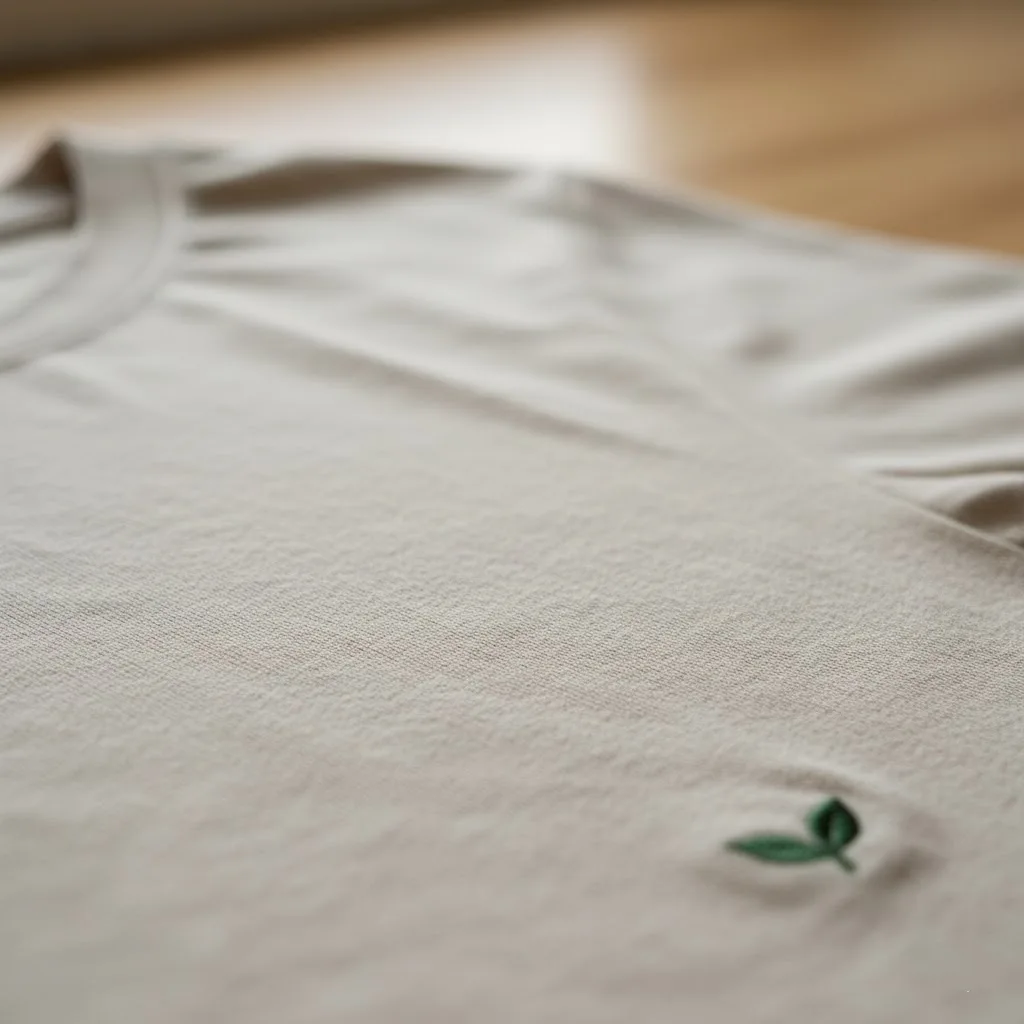
Cotton is beloved for its softness and breathability. By choosing GOTS-certified organic cotton, you're selecting a fiber grown without harmful pesticides, which is better for the environment and the wearer.
- Key Advantage: Unmatched natural comfort and breathability, perfect for everyday wear.
- Best Applications: Premium t-shirts, polo shirts, and lightweight hoodies where comfort is a top priority.
Performance Synthetics: Durability & Function
Polyester & rPET: The Performance Workhorse
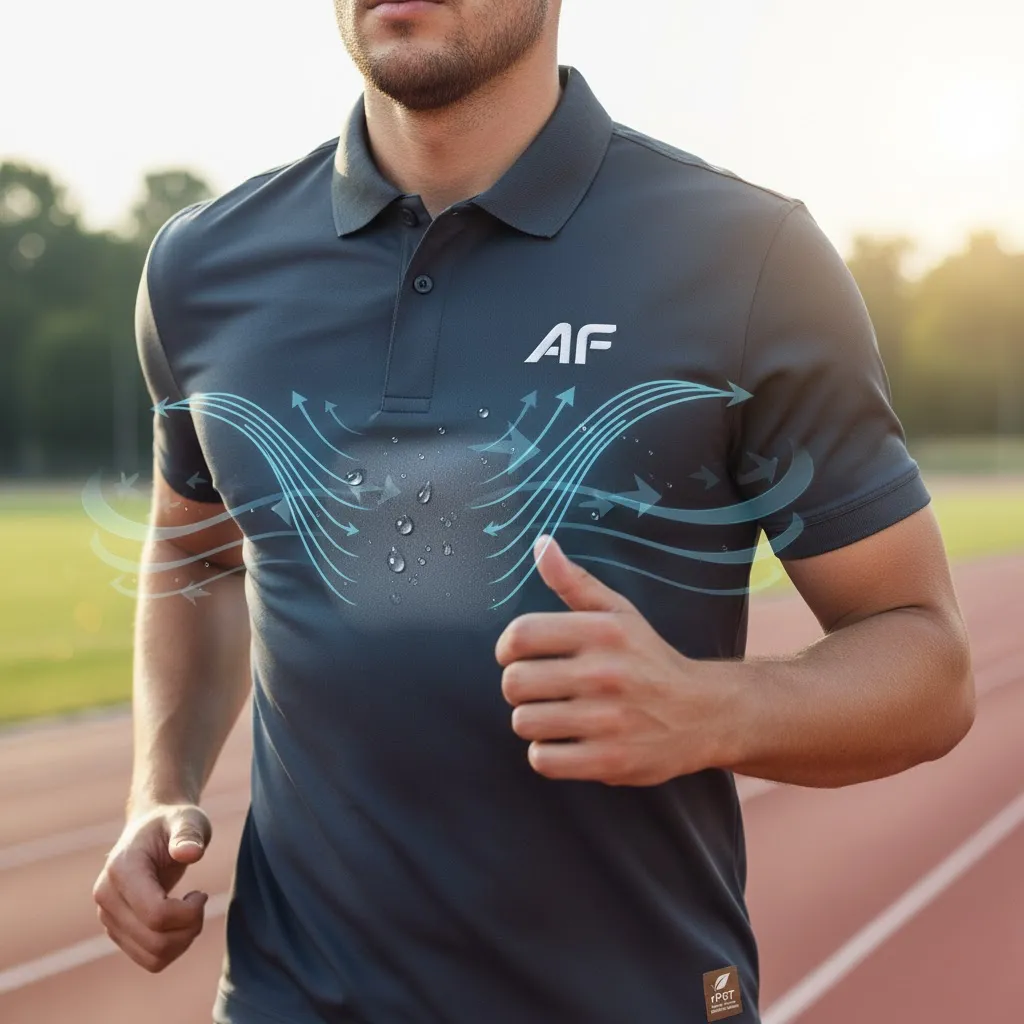
Polyester is known for its durability, moisture-wicking properties, and resistance to shrinking and stretching. GRS-certified rPET offers all these benefits, but is made from recycled plastic bottles.
- Key Advantage: Its ability to pull moisture away from the skin makes it ideal for athletic wear and outdoor apparel.
- Best Applications: Performance polo shirts, neck gaiters, and as a component in fleece and softshell fabrics.
Technical Fabrics: Warmth & Protection
Fleece (rPET): The King of Coziness
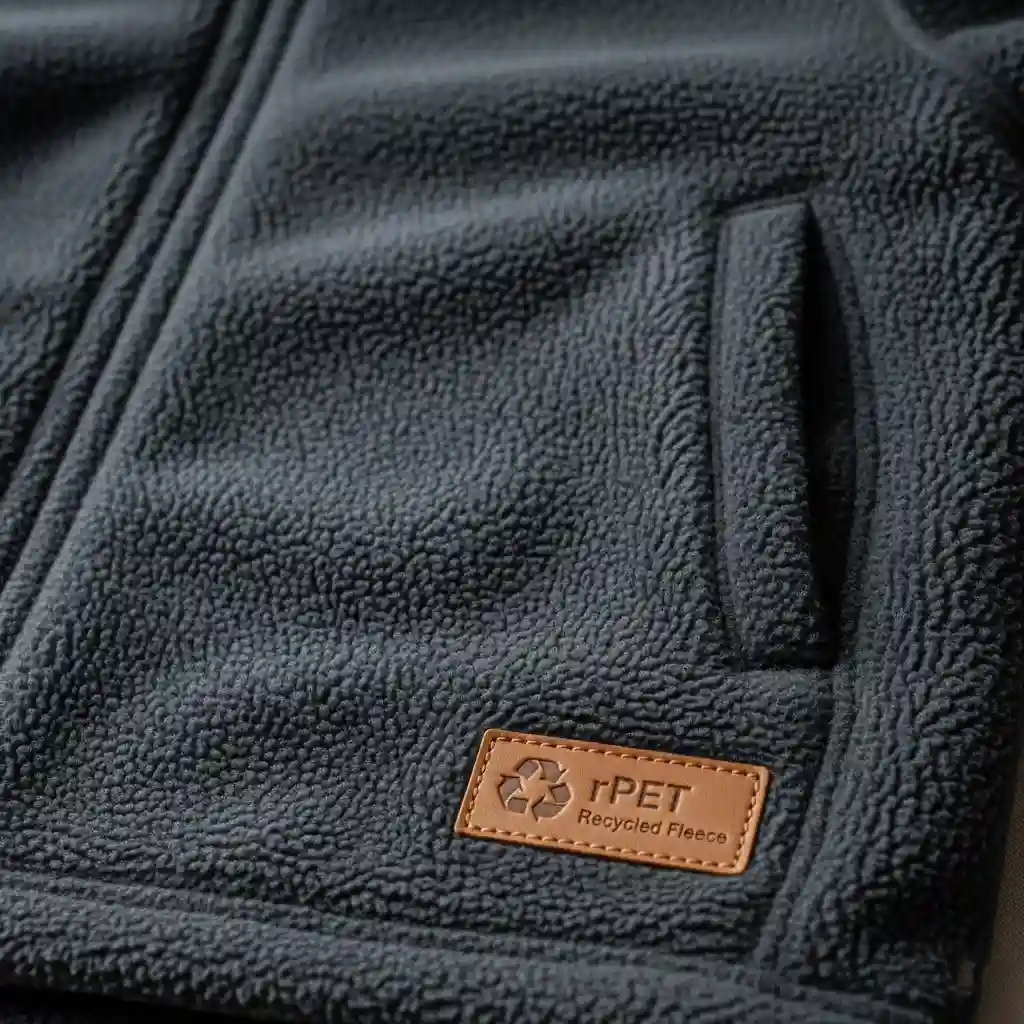
Typically made from polyester (we specialize in rPET fleece), this fabric is brushed to create a thick, soft pile that traps air, providing excellent insulation without the weight.
- Key Advantage: Incredibly soft, warm, and lightweight. Our anti-pill fleece resists pilling to maintain its quality look and feel.
- Best Applications: Fleece jackets, vests, hoodies, and premium blankets.
Softshell: The Versatile Protector
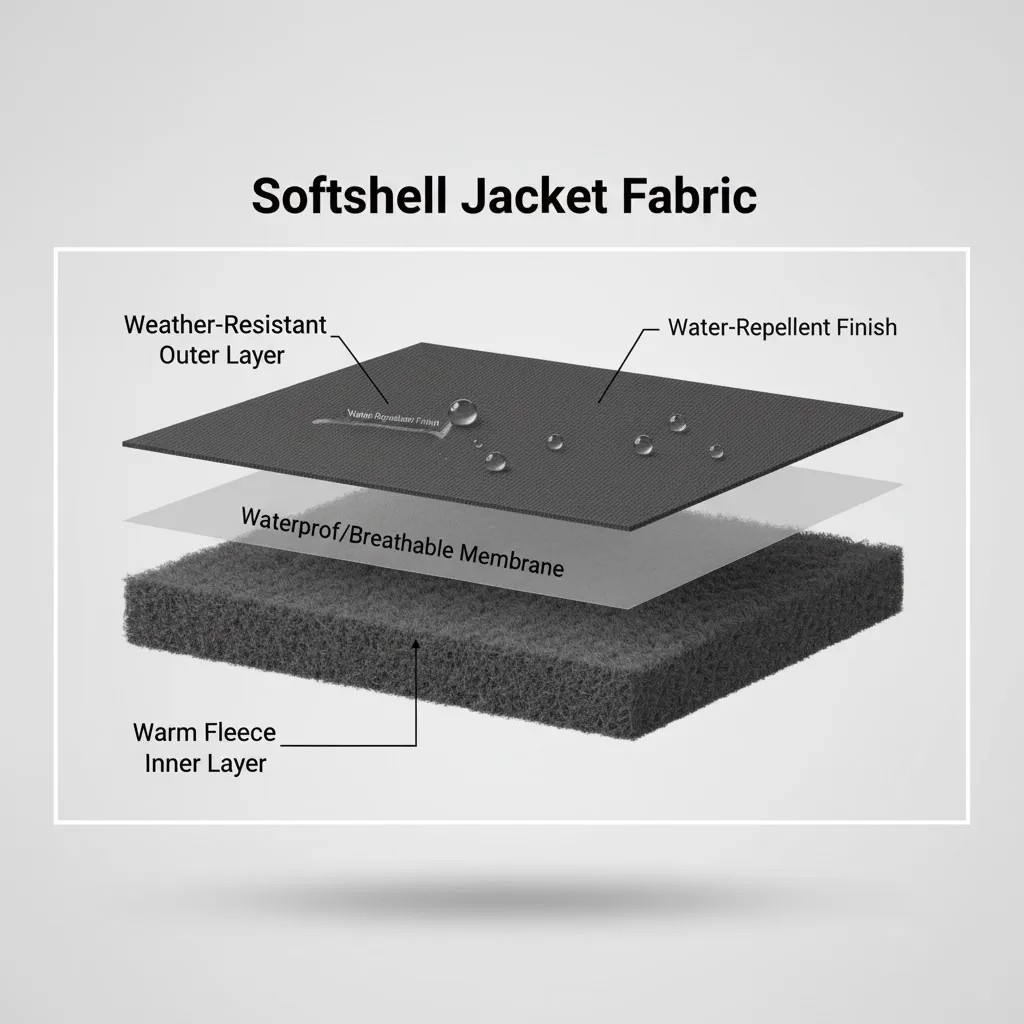
Softshell is a bonded fabric, typically with a durable, weather-resistant outer layer and a soft, insulating fleece inner layer. It's designed to offer a balance of protection and breathability.
- Key Advantage: Wind-resistant, water-resistant, and flexible, making it the perfect all-in-one jacket for transitional weather.
- Best Applications: Corporate outerwear, team jackets, and premium employee gifts.
Frequently Asked Questions
For a balance of comfort, quality, and value, a 100% ringspun cotton or a cotton/poly blend is the most popular choice. For a more premium and sustainable option, GOTS-certified organic cotton is excellent.
GOTS (Global Organic Textile Standard) certifies that a fabric (like cotton) is grown and processed organically. GRS (Global Recycled Standard) verifies that a fabric (like rPET polyester or fleece) is made from a certain percentage of recycled materials.
While technically possible, we strongly recommend embroidery for fleece. The ink from screen printing tends to get lost in the plush fibers and does not provide a clean, premium finish. Embroidery sits on top of the pile for a crisp, professional look.
Moisture-wicking is a property of synthetic fabrics like polyester. The fabric is designed to pull sweat and moisture away from your skin and move it to the outer surface of the fabric, where it can evaporate quickly, keeping you dry and comfortable.
Yes. Modern recycling technology produces rPET fibers that are virtually indistinguishable from virgin polyester in terms of strength, color vibrancy, and performance. You get the same quality with a powerful sustainability story.
Ready to Choose the Perfect Fabric for Your Brand?
Now that you're an expert on apparel fabrics, let's create the perfect garment for your team, event, or retail line. Explore our collections or contact our team for a free consultation and material samples.
Explore Our Apparel Collections