Screen Print vs. Embroidery vs. Dye-Sublimation: The Ultimate Apparel Branding Guide
The branding on your custom apparel does more than show a logo; it communicates your brand's commitment to quality. The right technique ensures your design is crisp, durable, and professional, while the wrong choice can undermine your message.
This expert guide provides a head-to-head comparison of the three leading apparel branding methods to help you choose the perfect technique for your fabric, design, and budget.
Branding Quick Guide
- Screen Printing: The versatile, cost-effective workhorse for T-shirts and hoodies.
- Embroidery: The premium, durable choice for polos, jackets, and hats.
- Dye-Sublimation: The only solution for full-color, edge-to-edge designs on polyester performance wear.
Technique Comparison at a Glance
| Technique | Best For (Garments) | Look & Feel | Durability | Design Complexity |
|---|---|---|---|---|
| Screen Printing | T-Shirts, Hoodies, Cotton Items | Vibrant, Slightly Raised Ink Layer | Excellent | 1-6 Solid Colors |
| Embroidery | Polos, Jackets, Hats, Fleece | Premium, Textured, 3D Effect | Exceptional | Clean Lines, Solid Colors |
| Dye-Sublimation | Polyester Performance Wear | Seamless, Zero-Feel, Photographic | Permanent (Fade-Proof) | Unlimited Colors, Gradients |
Screen Printing: The Versatile Workhorse
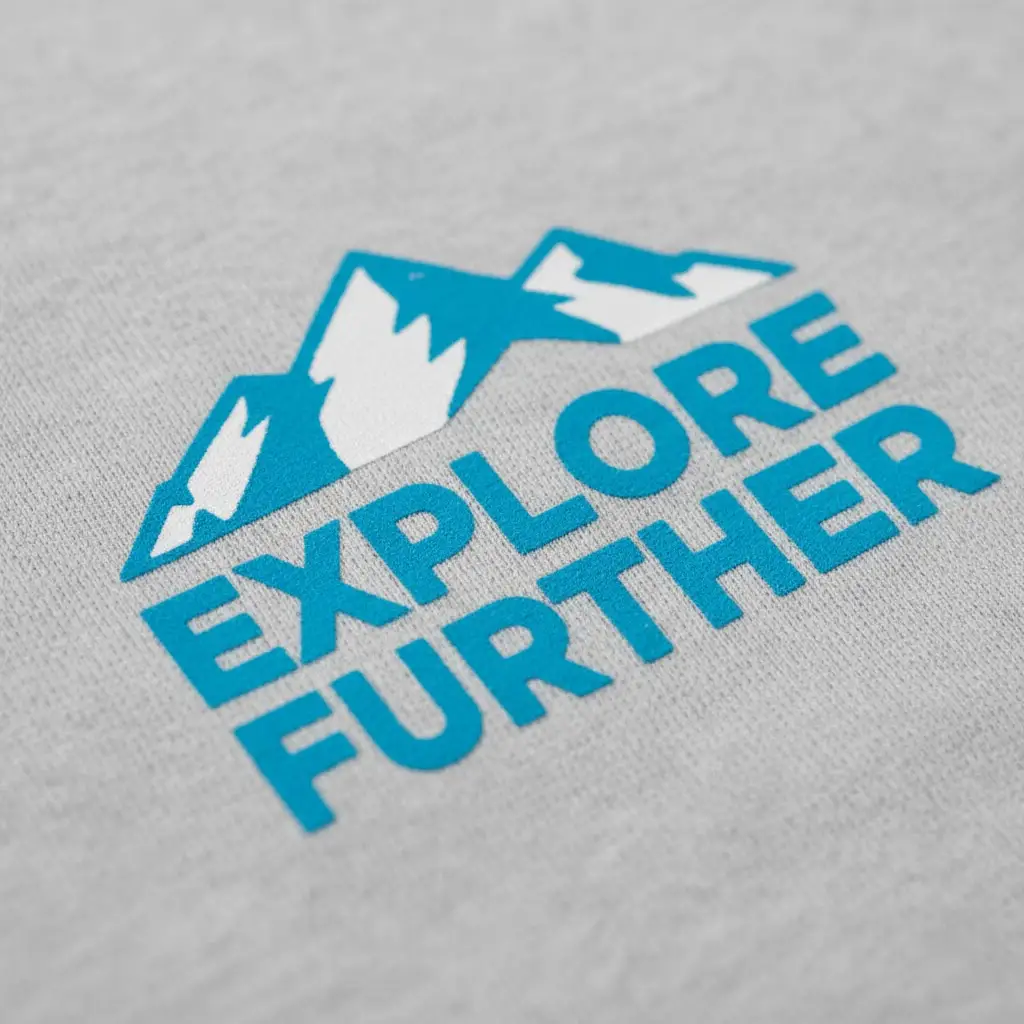
This classic method uses a mesh screen to push layers of ink onto the fabric's surface. It's renowned for producing vibrant, opaque colors and is extremely cost-effective for larger orders.
- Key Advantage: Excellent durability and color vibrancy for designs with 1-6 solid colors. It's the go-to for most T-shirt and hoodie projects.
- Best Applications: Company t-shirts, event merchandise, and any cotton or cotton-blend apparel.
Embroidery: The Mark of Premium Quality
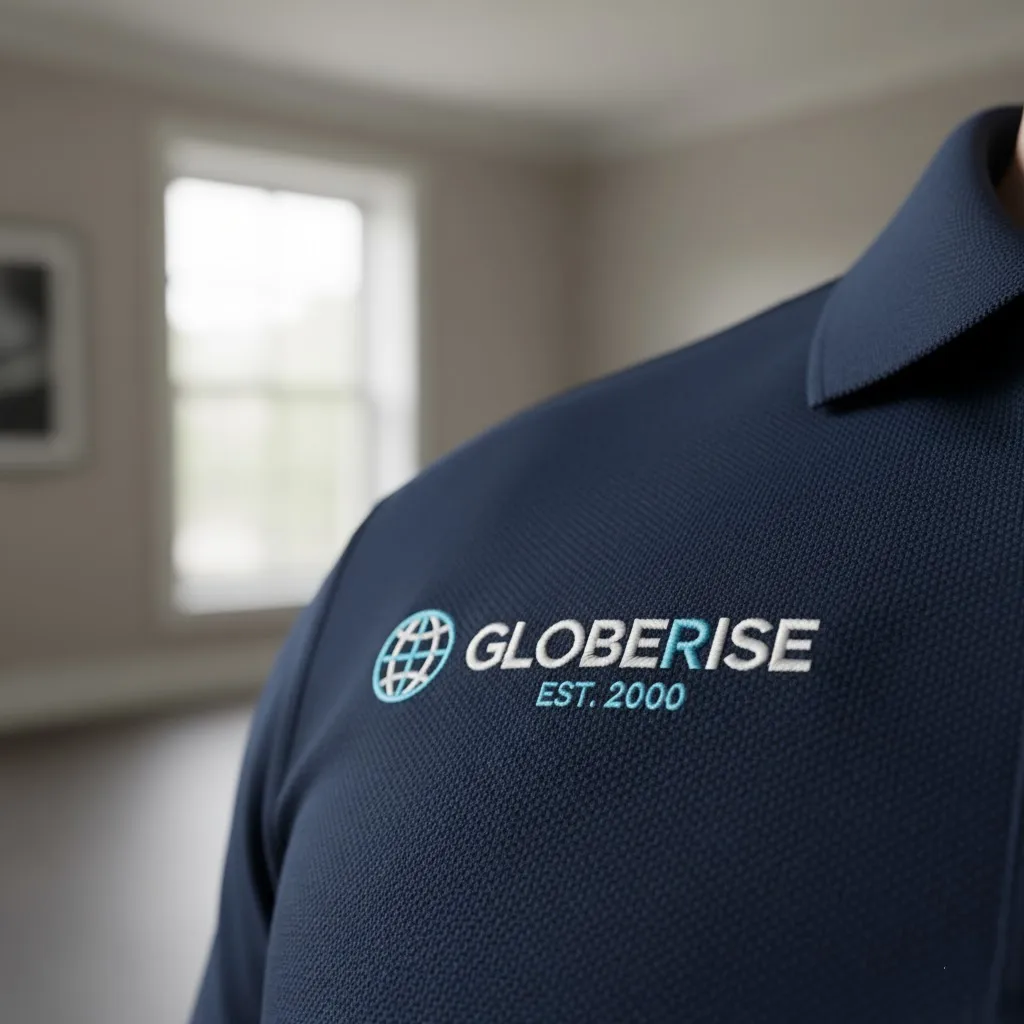
Embroidery uses high-speed, automated machines to stitch your design directly into the fabric with thread. This creates a raised, three-dimensional design with a high-end, classic feel.
- Key Advantage: Unmatched durability and a premium, textured look that signals quality and professionalism.
- Best Applications: Polo shirts, jackets, fleece vests, and hats, where a sophisticated corporate logo is required.
Dye-Sublimation: Unlimited Creative Freedom
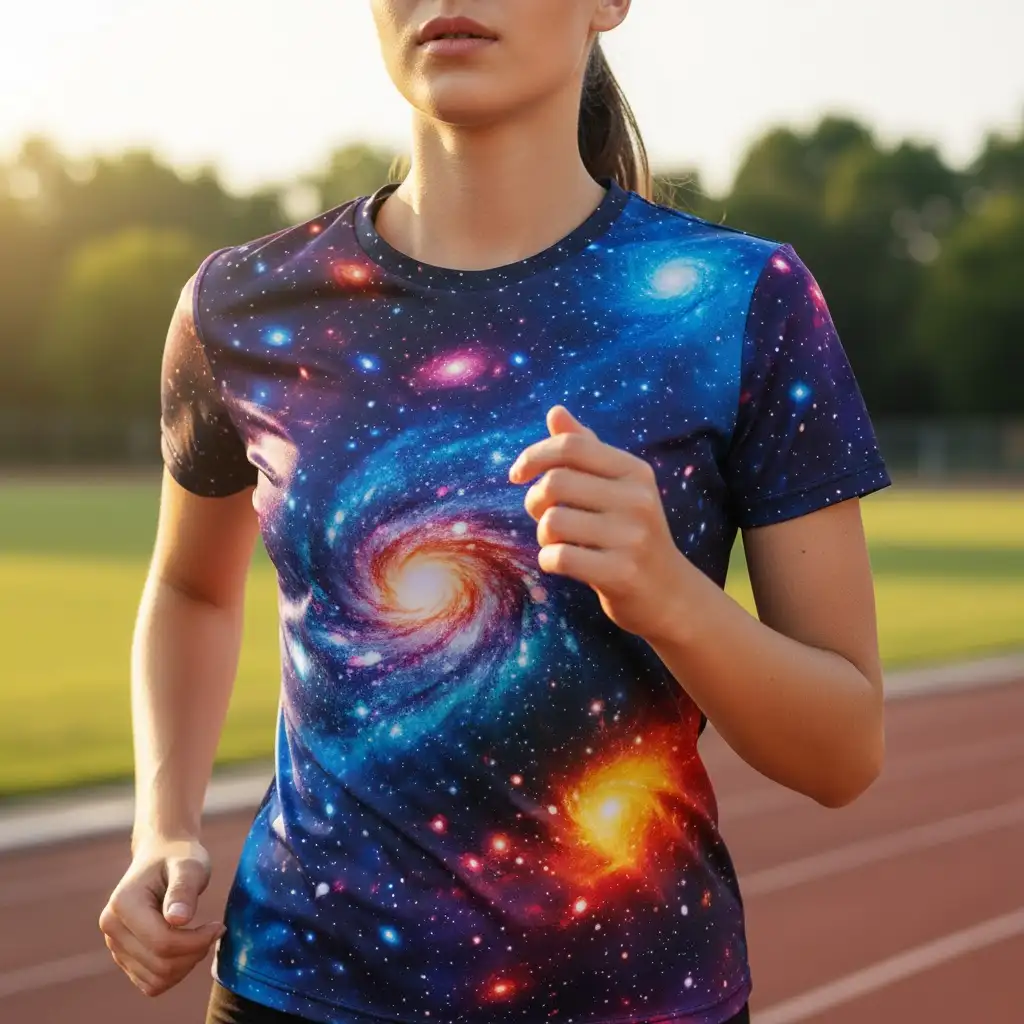
This high-tech process uses heat to turn ink into a gas, which then bonds with the polyester fibers. This creates a permanent, vibrant print that is part of the fabric itself, with zero texture.
- Key Advantage: Allows for unlimited colors, gradients, and photographic reproduction with a seamless, breathable, and fade-proof finish.
- Best Applications: All-over prints on performance t-shirts, custom neck gaiters, and any 100% polyester garment where a bold, full-coverage design is desired.
Frequently Asked Questions
Both embroidery and dye-sublimation are permanent. An embroidered logo will last as long as the garment, while a sublimated print is infused into the fabric and will not crack, peel, or fade. High-quality screen printing is also extremely durable and should last for years with proper care.
Yes, but it requires a different technique called Direct-to-Garment (DTG) printing, which works like an inkjet printer for fabric. For full-color on polyester, dye-sublimation is the superior method. Let our team know your design, and we will recommend the best technology.
A large, dense area of embroidery can become heavy and stiff, which can weigh down and pucker the lightweight fabric of a t-shirt, affecting its drape and comfort. Embroidery is best for left-chest sized logos on sturdier garments like polos and jackets.
For a design with 1-2 colors on a large number of items, screen printing is typically the most cost-effective option. For multi-color designs, the cost of screen printing increases with each color, whereas the cost of dye-sublimation remains the same regardless of the number of colors.
For the best results, we always require a vector file (.AI, .EPS, or .PDF). This ensures your logo can be perfectly scaled and separated for the screen printing or embroidery process without any loss of quality.
Yes, significantly. Dye-sublimation only works on 100% polyester. Screen printing works great on cotton and cotton blends. Embroidery is most suitable for thicker, sturdier fabrics like those used in polos, jackets, and hats.
Absolutely. This is our expertise. Our team will review your artwork, your chosen garment, and your budget to provide a professional recommendation on the best branding technique to achieve a result that you'll be proud of.
Ready to Choose the Perfect Branding?
The right technique ensures your brand looks its best. Our experts are here to guide you through the process, from artwork optimization to final production, ensuring a perfect result every time.
Explore Our Apparel Collections