The Ultimate Guide to Neoprene: From Science to Sourcing
Neoprene is more than just a material; it's an engineered solution. Its unique combination of durability, flexibility, and insulation has made it a cornerstone of high-performance products, from wetsuits to laptop sleeves. But what exactly is it, and how do you choose the right type for your project?
This expert guide breaks down the science behind neoprene, explores its different forms, and demystifies sustainable alternatives, empowering you to make informed decisions for your brand.
Quick Guide
- Science: Understand its core chemical & physical properties.
- Forms: Learn the difference between closed-cell and open-cell foam.
- Thickness: Match the right thickness to your product's needs.
- Sustainability: Explore eco-friendly options like limestone neoprene.
In This Article
The Science Behind Neoprene's Performance
Neoprene's widespread use stems from its exceptional and balanced physical and chemical properties, making it the ideal choice for a multitude of demanding environments.
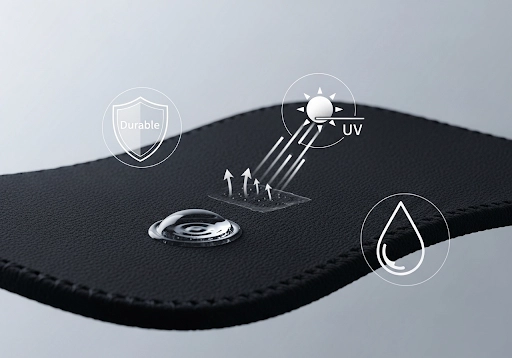
- Chemical & Thermal Stability: Resists oils, solvents, and acids, and performs across a wide temperature range.
- Weather & UV Resistance: Withstands damage from sunlight and ozone, perfect for outdoor use.
- Durability & Waterproofing: The tough, tear-resistant, closed-cell structure is inherently waterproof.
Decoding Neoprene: Forms, Grades & Finishes
Understanding the core options of the raw material is the first step to designing your perfect product.
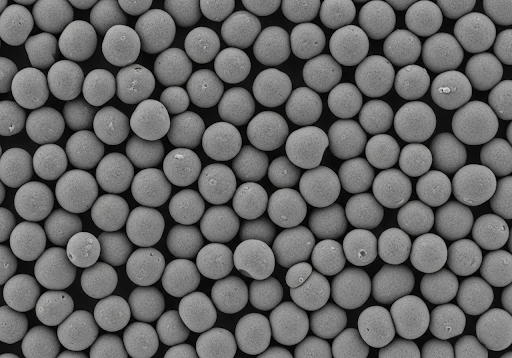
Foam Structure: Closed-Cell is Key
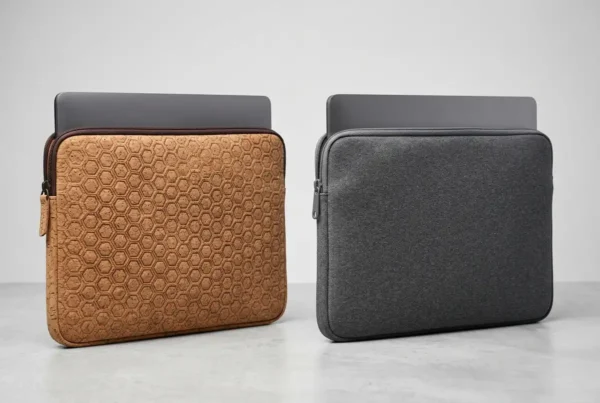
Neoprene foam is categorized by its internal cell structure. Closed-cell foam, where the internal gas cells are sealed off from each other, is the standard for promotional products like can coolers and laptop sleeves because it is waterproof and a superior insulator.
The Thickness Spectrum
Neoprene thickness is key to its insulating and protective properties. We offer a range to suit any application:
- 0.5mm - 2mm: Thin and flexible, ideal for lightweight electronic sleeves or liners.
- 3mm - 5mm: The "sweet spot" for most products, offering excellent insulation and cushioning for can coolers, lunch bags, and standard laptop sleeves.
- 5mm+: For heavy-duty protection, used in high-performance wetsuits and protective gear.
The Future is Sustainable: Eco-Friendly Neoprene
We are committed to forward-thinking solutions. Beyond traditional neoprene, we offer advanced, eco-friendly alternatives.
Limestone Neoprene & Beyond
A significant upgrade from petroleum-based neoprene, limestone neoprene uses calcium carbonate as its raw material, reducing reliance on fossil fuels. For the ultimate sustainable statement, we can also source cutting-edge materials like Yulex® (made from natural rubber) or laminate our neoprene with fabrics made from recycled PET (rPET).

Frequently Asked Questions
Limestone neoprene is more eco-friendly as it doesn't use oil. It also has a higher closed-cell structure, making it lighter, warmer, and more flexible than traditional petroleum-based neoprene.
For 99% of promotional products, closed-cell neoprene is far superior. It is waterproof, a better insulator, and more durable. Open-cell is a specialty material used for applications requiring breathability.
No. The print quality is determined by the fabric laminated to the neoprene surface, not the thickness of the foam itself. A polyester laminate is used for all thicknesses to ensure vibrant sublimation printing.
Materials like limestone neoprene or Yulex® do have a higher cost due to their advanced manufacturing processes. However, they offer superior performance and a powerful sustainability story that many premium brands find valuable.
Lamination is the process of bonding a fabric (like polyester or nylon) to the raw neoprene foam. This is a crucial step that adds durability, color, and a printable surface to the final product.
While traditional neoprene is not easily recyclable, the industry is moving towards sustainability. Choosing products made from recycled materials (like an rPET laminate) is a great way to participate in the circular economy.
It depends on the goal. For insulation (can coolers, lunch bags), 3-5mm is best. For protection (laptop sleeves), 3-5mm is also ideal. For lightweight items where flexibility is key, 2mm may suffice.
Ready to Leverage a High-Performance Material?
Now that you're an expert on neoprene, explore our specific product collections or contact our team for a fully custom solution.
Explore Our Collections
Have a Custom Project?
Our experts can help you create a completely bespoke neoprene product from scratch.
Get a Free Consultation