From Blank Foam to Branded Product: A Guide to Neoprene Customization
The magic of neoprene lies not just in the material itself, but in how it's transformed. The processes of laminating, printing, and stitching are what turn a simple sheet of foam into a durable, functional, and beautifully branded product. Understanding these steps is key to creating an item that truly represents your brand's quality.
This guide explores the core manufacturing and customization techniques, from fabric lamination to high-performance seams, helping you make expert decisions for your project.
Quick Guide
- Lamination: Choose Polyester for color, Nylon for feel.
- Printing: Sublimation for photos, Screen Print for bold logos.
- Finishing: Embossing for luxury, GBS stitching for waterproofing.
In This Article
Fabric Lamination: The Foundation of Feel & Print
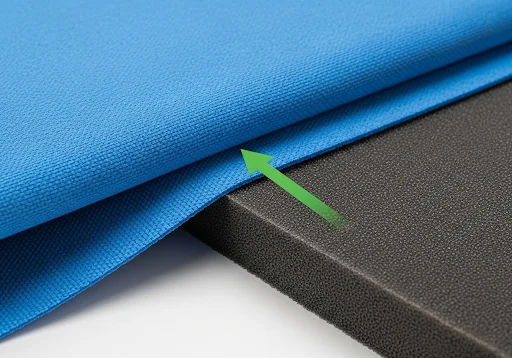
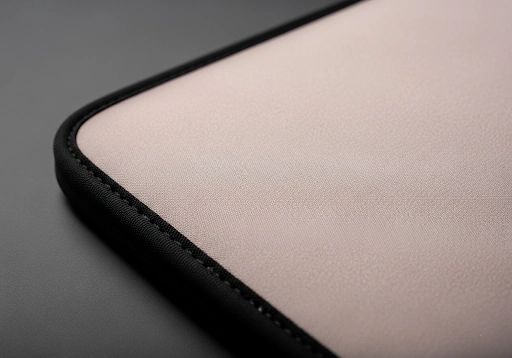
Raw neoprene foam is rarely used on its own. The key to adding durability, color, and a printable surface is **lamination**—the process of bonding a fabric layer to the foam.
Polyester Laminate
This is the most common and cost-effective choice. Its surface is the perfect canvas for dye sublimation, allowing for vibrant, full-color designs.
- Best For: Can coolers, lunch bags, and any product requiring photorealistic images.
- Feel: Standard, smooth textile feel.
Nylon Laminate
Nylon offers a more premium feel, with superior softness, stretch, and abrasion resistance. Its smooth, slightly shiny surface conveys a higher quality.
- Best For: High-end laptop sleeves, medical braces, and premium accessories.
- Feel: Softer, smoother, and more flexible than polyester.
High-Fidelity Branding: Printing Techniques
Once laminated, your neoprene product is ready for branding.
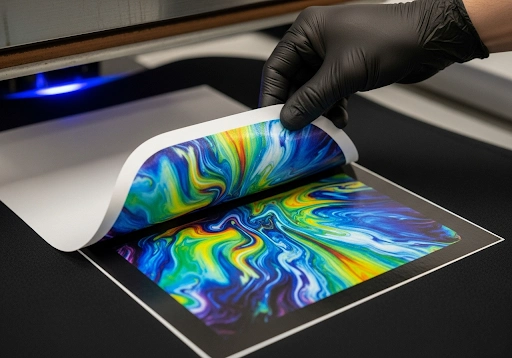
Dye Sublimation
The premier choice for neoprene. Heat is used to infuse ink directly into the polyester fabric fibers, creating a permanent, full-color design that has zero feel and will never crack, peel, or fade.
- Best For: Photorealistic images, complex patterns, and gradients.
Screen Printing
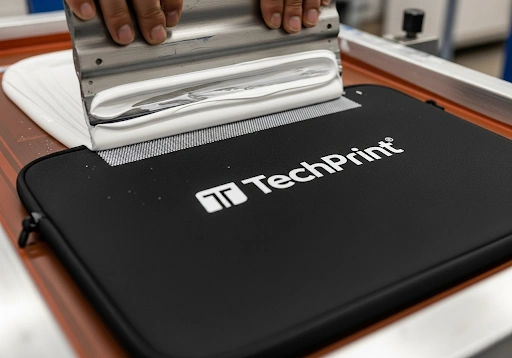
A traditional method where ink is pushed through a stencil onto the fabric surface. It's highly durable and cost-effective for large orders with simpler designs.
- Best For: Bold, solid-color logos and text (1-4 colors).
Finishing Touches: Embossing & Stitching
The final construction details are what separate a good product from a great one.
Embossing & Debossing
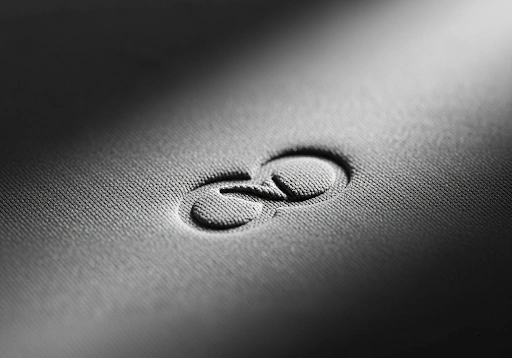
This inkless process uses a heated metal die to press a 3D logo directly into the neoprene surface. It creates a subtle, sophisticated, and high-end branding effect.
- Best For: Luxury branding and creating a premium, tactile impression.
Stitching Techniques
The seam determines the product's final performance.
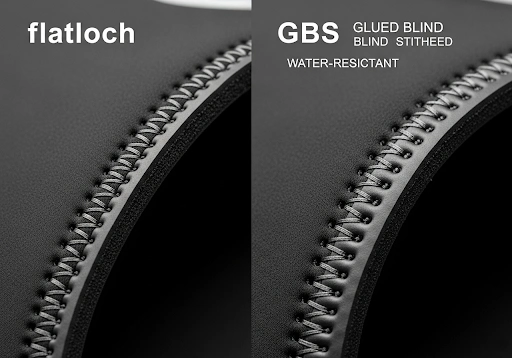
- Flatlock Stitch: A durable, comfortable seam that lies flat against the surface. Ideal for laptop sleeves and braces.
- Glued & Blind Stitched (GBS): The high-performance, waterproof option. Seams are first glued together, then stitched only halfway through, creating a watertight seal perfect for high-end products.
Frequently Asked Questions
It depends on your goal. For vibrant, full-color printing, Polyester is the only choice as it's compatible with sublimation. For a softer, more premium feel with superior stretch, Nylon is the better option, but it's limited to screen printing.
No. We use special flexible inks and additives specifically designed for stretchy fabrics like neoprene. This ensures the screen print can stretch with the material without cracking or peeling.
Dye sublimation and embossing are the most durable. Sublimation infuses the ink into the fabric, making it permanent. Embossing physically alters the material itself. Both will last as long as the product does.
You need Glued & Blind Stitched (GBS) seams only when a truly waterproof product is required, such as a high-performance wetsuit or a protective case for sensitive electronics. For most promotional items like can coolers, a standard durable stitch is sufficient.
No. Embossing is an inkless, single-color process. It creates its effect using shadow and depth. It is best suited for bold, one-color logos or symbols for a subtle, high-end look.
The industry standard for can coolers is a strong and durable overlock or zigzag stitch on the side seams. This provides excellent durability for everyday use at a cost-effective price point.
The effect is minimal. The insulation property comes almost entirely from the thickness and density of the neoprene foam itself, not the thin layer of fabric laminated to the surface.
Ready to Leverage a High-Performance Material?
Now that you're an expert on neoprene customization, explore our specific product collections or contact our team to discuss a fully custom solution.
Explore Our Collections
Have a Custom Project?
Our experts can help you create a completely bespoke neoprene product from scratch.
Get a Free Consultation