The Ultimate Guide to Eco-Friendly Bag Materials: Choosing the Best Sustainable Fabrics
With global plastic bans tightening and consumers demanding brand ethics, eco-friendly shopping bags have evolved from optional promo items to mandatory brand assets. But with a market flooded with green terminology, how do you choose the right material for your bulk project?
Choosing a fabric that doesn't align with your brand's functionality requirements or ecological promises can damage your brand credibility. In this ultimate sourcing guide, we analyze the top 4 eco-friendly bag materials—Organic Hemp, Jute, Cactus Leather, and Coconut Coir—evaluating their carbon footprints, durability, and practical B2B use cases to help you make an informed supply chain decision.
Quick Selection Guide
- Organic Hemp: Champion of durability. Rot-resistant and exceptionally strong. Best for premium retail-grade bags.
- Natural Jute: Sourcing favorite for budget-conscious campaigns. 100% compostable and highly textured.
- Cactus Leather: Luxury eco-alternative. Buttery soft, waterproof, and ideal for high-end VIP gifts.
- Coconut Fiber: Coastal resort standout. Naturally saltwater-resistant, coarse, and sand-proof.
Table of Contents
Material Comparison at a Glance
| Material | Durability | Carbon Footprint | Primary Benefit | Best For |
|---|---|---|---|---|
| Organic Hemp | High (3x cotton strength) | Extremely Low (Carbon-negative crop) | Tensile Strength & Longevity | Corporate Retreats, Outdoor Gear, Luxury Retail |
| Natural Jute | Medium-High | Low (Rapid growth, zero irrigation) | High Cost-Efficiency | Grocery Bulks, Trade Show Giveaways, Farm Markets |
| Cactus Leather | High (Waterproof & Scuff-resistant) | Very Low (Organic desert farming) | Premium Luxury Aesthetics | VIP Executive Gifts, Hotel Merch, Fashion Totes |
| Coconut Coir | High (Rot & Saltwater resistant) | Very Low (Upcycled agricultural waste) | Weatherproofing & Sandy Environments | Coastal Resorts, Beach Promos, Cruise Giveaways |
Deep Dive: Analyzing the Top 4 Fabrics
1. Organic Hemp: The Indestructible Champion
The Pinnacle of Longevity. Hemp is the strongest natural textile fiber on earth. Sourced from the industrial cannabis plant, hemp fibers are exceptionally durable, mildew-resistant, and actually soften with repeated washing. Unlike cotton, hemp fibers do not degrade easily, meaning a custom hemp bag can last for years in your client's hands.
- Agricultural Footprint: Hemp is a phytoremediation plant, meaning it cleans the soil it grows in and absorbs massive amounts of carbon dioxide.
- Fabric Blend: We often blend hemp with organic cotton to create a canvas-like fabric that accepts fine silk-screen and water-based ink print designs with ease.
- Best For: High-end lifestyle merchandising, eco-luxury retail brands, and premium corporate welcome kits.
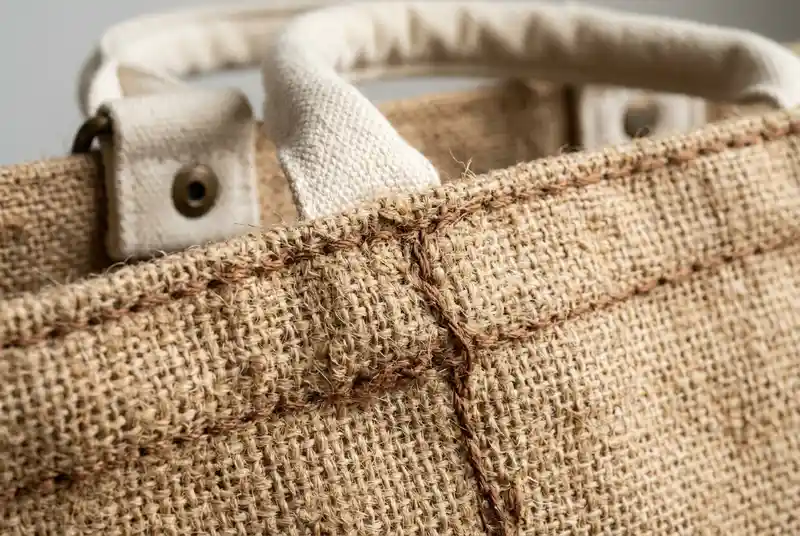
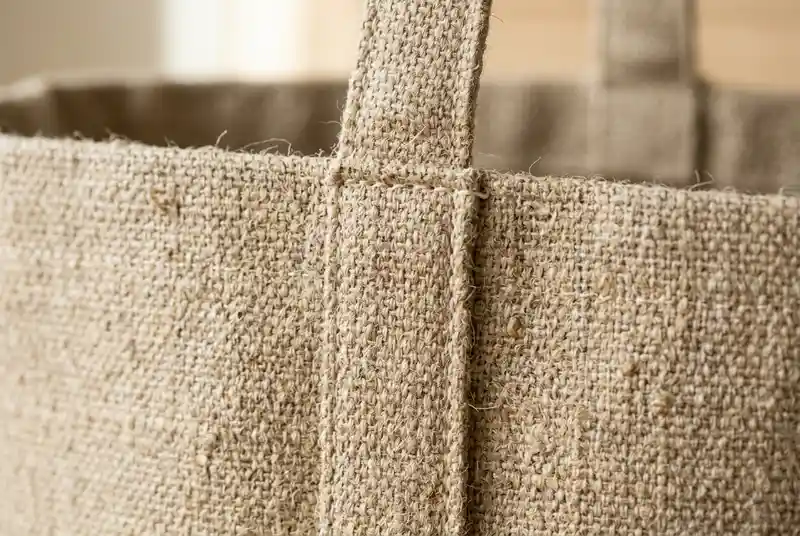
2. Jute (Burlap): The Bio-Based Cost Champion
The Bulk Procurement Favorite. Jute, often referred to as burlap, is a long, soft, shiny bast fiber spun into coarse threads. Cured naturally in rain-fed farms in South Asia, jute requires almost no chemical fertilizers or artificial irrigation. Its thick weave provides an immediately recognizable organic, earthy appeal.
- Cost vs. Value: It offers the highest perceived eco-value at a budget-friendly price point, making it excellent for massive giveaways.
- Customization: Often laminated with an ultra-thin cornstarch-based backing to make it sand-proof, and paired with padded cotton handles for comfortable carry.
- Best For: Supermarket grocery campaigns, botanical brand giveaways, eco-conscious congress and trade shows.
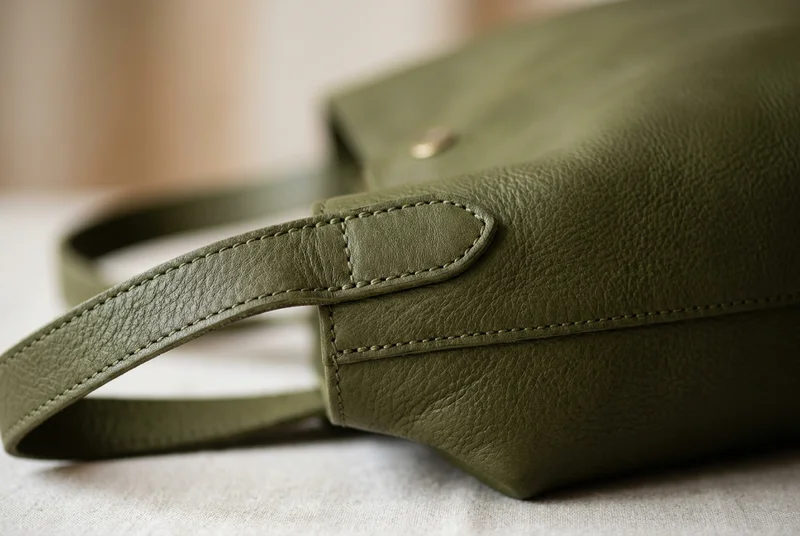
3. Cactus Leather: Premium Eco-Luxe Retail
Cruelty-Free, Bio-Based Luxury. For corporate gifts or fashion-forward brands, plant fibers can sometimes feel too casual. Cactus leather (made from the Nopal cactus) solves this. It has a beautiful, buttery-soft hand-feel that rivals high-end calfskin, but requires zero cattle farming, zero toxic chromium tanning, and negligible water footprint.
- Durability: Highly breathable, scratch-resistant, and naturally waterproof. Can be cleaned simply with soap and water.
- Luxury Branding: Best decorated using debossing or metallic foil stamping, which leaves a crisp, permanent, understated impression.
- Best For: Automotive launches, high-end hospitality VIP luggage, luxury cosmetics retail bags, and executive gift bundles.
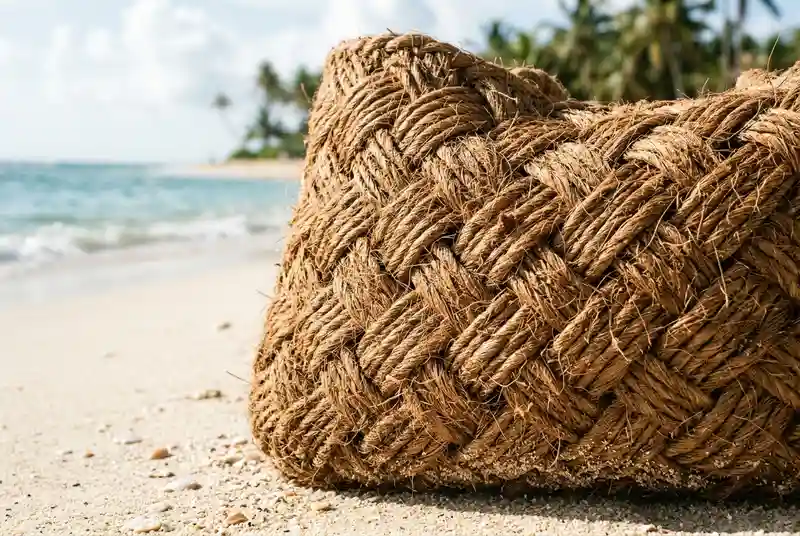
4. Coconut Fiber (Coir): Upcycled Coastal Specialist
Saltwater Resistant & Rot-Proof. Coconut fiber is an innovative agricultural by-product extracted from the outer husk of the coconut. Naturally tough, coarse, and highly moisture-resistant, coconut fiber bag fabric provides a rugged, hand-woven texture reminiscent of traditional straw, but with double the durability.
- Weatherability: Naturally hydrophobic and highly resistant to salt sea spray and humidity, meaning it will not mold or degrade during sea transit or beach use.
- Sustainability: Upcycles agricultural food waste that would otherwise be discarded, giving it a powerful circular story.
- Best For: Beach clubs, premium summer promotional kits, ocean cruise giveaways, and resort gift shop lines.
Eco-Friendly Bag Materials: FAQ
There is no single answer, as it depends on your specific campaign goals. For carbon footprint and organic decomposition, organic hemp and jute are top performers. For waste circularity, post-consumer recycled cotton and 100% recyclable Tyvek are excellent choices. For luxury eco-branding, cactus leather provides a premium look with high water savings.
Organic hemp requires 50% less water to grow than conventional cotton and produces double the fiber yield per acre. Hemp plants are naturally pest-resistant, eliminating the need for synthetic chemical pesticides, and their deep root systems actively prevent soil erosion while capturing CO2.
Yes, jute is 100% biodegradable and compostable. A pure jute tote bag, when discarded in soil or compost, typically decomposes completely within 3 to 6 months without leaving any toxic chemical residues behind.
While organic cotton avoids pesticides, recycled cotton utilizes existing textile waste, diverting scrap fabrics from landfills. It requires virtually zero agricultural land, zero fertilizers, and drastically less water to process, making it a champion of circular economy solutions.
Cactus leather (such as Mexican Desserto) offers massive environmental savings. It has a carbon footprint that is up to 80% lower than traditional leather. The cacti are grown on organic farms relying solely on rainwater, conserving millions of gallons of water, and processing avoids toxic chrome tanning agents.
Yes, Tyvek is made of 100% high-density polyethylene (HDPE), a plastic that is completely recyclable. It is highly valued in eco-campaigns because it is extremely durable, tear-resistant, and water-repellent, meaning bags last for years, reducing the need for single-use bag replacements.
Our standard bulk Minimum Order Quantity (MOQ) for custom hemp, jute, and recycled cotton tote bags is 500 pieces per design. For specialized innovative materials like cactus leather or coconut coir beach bags, the MOQ starts at 1,000 pieces due to fabric weave setup requirements.
Yes. We offer silk-screen printing, water-based eco-ink printing, digital transfer, and embroidery. For natural materials like hemp and jute, we recommend water-based inks to keep the entire product completely non-toxic and organic.
Initial procurement costs are higher than cheap plastic or polyester. However, eco-friendly bags provide immense marketing ROI. They have a high perceived value, represent your brand's ethical stance, and are reused hundreds of times, providing thousands of organic brand impressions over their lifetime.
We provide official material certifications upon request. Our recycled cotton utilizes GRS (Global Recycled Standard) certified fibers, and our organic fabrics comply with GOTS (Global Organic Textile Standard) guidelines, ensuring absolute supply chain traceability.
Many eco-materials are actually significantly stronger than standard polyester. Organic hemp is the strongest natural textile fiber on earth, with 3 times the tensile strength of cotton. Jute and canvas are exceptionally heavy-duty and carry heavy loads with ease.
Absolutely. To match the green credentials of your order, we offer bulk packaging in biodegradable cornstarch-based polybags (PLA/PBAT) or recycled paper wraps, completely eliminating single-use plastic outer packaging from your supply chain.
Ready to Choose the Perfect Fabric for Your Custom Bags?
From indestructible organic hemp to rustic jute and luxury cactus leather, we assist global brands in manufacturing high-value, sustainable shopping solutions.
Explore Eco Bag Products
Browse our verified product catalogs to see these materials in production.
Request Sourcing Solution
Unsure which material matches your budget or branding technique? Contact our engineering team for free advice and digital samples.
- ✓ Free Digital Layup & Mockup
- ✓ Certified Sustainable Supply Chain
- ✓ Global Sea & Air DDP Shipping