The Trillion-Dollar Shift: Why Gifting is Now a Core Business Strategy
For business leaders planning ahead, understanding the key corporate gifting trends for 2026 is no longer optional—it’s a competitive advantage. This definitive guide explores the data-driven shifts in sustainability, personalization, and wellness that will define a successful strategy, transforming your gifting program from an expense into a high-ROI tool for talent retention and client relations.
What's IN for 2026: The Definitive Trends
A successful gift is thoughtful, useful, and aligned with modern values. These are the five core trends shaping the future.
The Sustainability Imperative
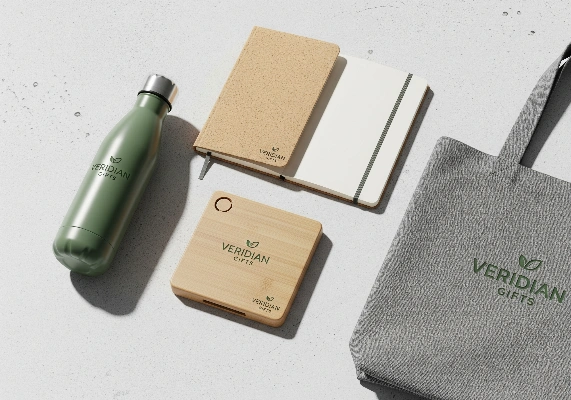
Sustainability is no longer a trend; it's a requirement. Gifts must be durable, ethically sourced, and made from renewable or recycled materials.
- Focus on: Organic cotton, recycled PET, and verifiable certifications like GOTS/BSCI.
- Avoid: Cheap, disposable items that end up in landfills.
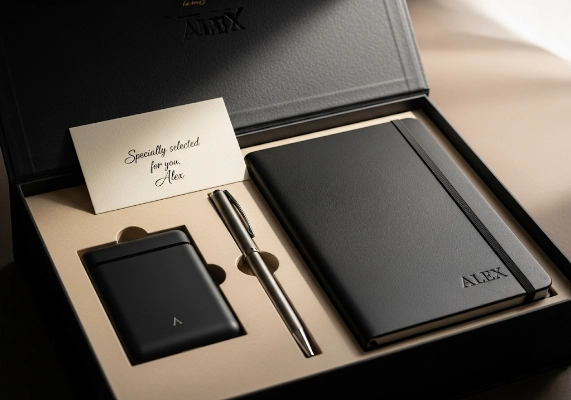
Hyper-Personalization at Scale
Leveraging data and AI to deliver a truly unique gift that resonates with the individual's interests and milestones, going far beyond a simple logo.
- Focus on: Data-driven selection, unique designs, handwritten notes.
- Avoid: One-size-fits-all, generic gifts.
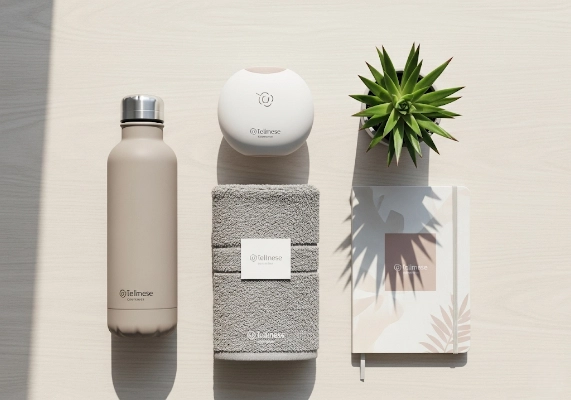
The Wellness Mandate
Gifts that support mental, physical, and emotional health send a powerful message that your company cares about its people as whole individuals.
- Focus on: Fitness gear, relaxation kits, ergonomic home office items.
- Our Products: A neck gaiter becomes a hiker's shield against the elements; a towel becomes a yoga essential; a mug anchors a mindfulness tea kit.
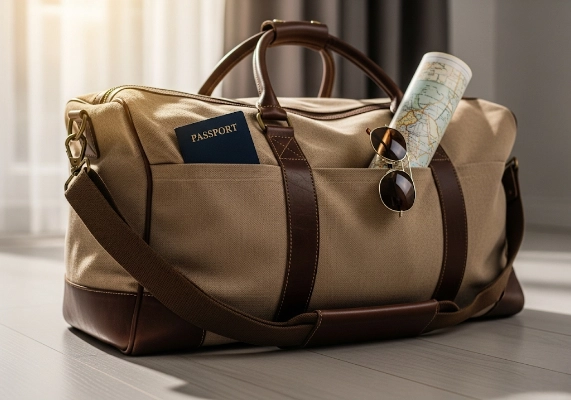
The Experience Economy
Gifting high-quality products that enable a memorable experience, like a weekend adventure or a relaxing day at the park, creates a more lasting impact.
- Focus on: Gifting the tool that makes the memory possible.
- Our Products: A durable duffel bag for travel, a portable speaker, a cocktail kit.
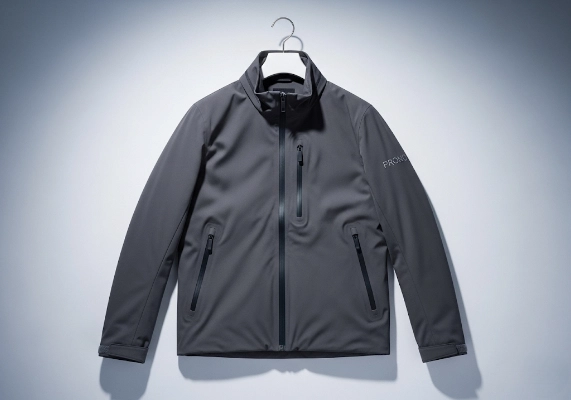
The "Retailization" of Promo
Recipients expect corporate gifts to match the quality and design of products they would buy themselves. The line between promo and retail is gone.
- Focus on: High-quality materials, subtle branding like on our leather goods, and genuine functionality.
- Our Advantage: We offer retail-level quality with the flexibility and value of direct sourcing.
What's OUT for 2026: The Gifting Graveyard
A poorly chosen gift can do more harm than no gift at all. Avoid these common pitfalls to protect your budget, brand perception, and employee morale.
Generic & Low-Value Items
Cheap plastic pens, flimsy t-shirts, or single-serving snacks signal a lack of appreciation and are destined for the trash.
Overly Promotional "Billboards"
Gifts plastered with oversized logos feel self-serving. Modern branding is subtle, treating the logo as a mark of quality, not an advertisement.
Impractical & Inconsiderate Gifts
Gifts like alcohol, food without allergen consideration, or incorrectly sized apparel show a lack of care and can be actively detrimental.
Strategic Gifting Questions
ROI can be measured through both quantitative and qualitative metrics. Quantitatively, track employee retention rates after implementing a gifting program, or client renewal/upsell rates for client-focused gifts. Qualitatively, use surveys to measure employee morale and client satisfaction. A successful gift is an investment in relationships.
The 2026 trend leans towards one high-quality, memorable item over a collection of smaller, less impactful ones. A single, durable, and useful gift like a premium duffel bag has a higher perceived value and a longer lifespan than a box of assorted snacks and trinkets.
Remote work makes gifting even more critical for building team culture. The focus should be on items that improve the home office experience (e.g., ergonomic accessories, high-quality mugs) or promote wellness and work-life balance (e.g., relaxation kits, fitness gear). A well-timed gift package can be a powerful tool to combat isolation and foster connection.
The biggest mistake is a lack of personalization and perceived effort. Sending the same generic gift to every client or employee feels transactional. The trend is moving towards thoughtful, curated gifts that reflect the recipient's interests or the company's specific values (like sustainability).
Focus on "tiered" or "persona-based" personalization. Instead of trying to know every individual's hobby, segment your clients into groups. For example, create a "Tech Enthusiast" kit, a "Wellness Advocate" kit, and a "Traveler" kit. Allowing them to choose their preferred gift from a curated selection is also a powerful form of personalization.
While practical, gift cards are often seen as impersonal and low-effort. The trend is moving towards tangible, branded items that create a lasting physical connection to your company. A high-quality, useful product serves as a constant brand reminder, whereas a gift card is a one-time transaction.
Authenticity comes from alignment with your company's core values. If your company champions sustainability, your gifts must be eco-friendly. If you value wellness, your gifts should support a healthy lifestyle. The story behind the gift is as important as the gift itself. A simple card explaining *why* you chose this specific item can transform the experience from a simple handout to a meaningful gesture.
The Future of Gifting is Strategic
Ready to elevate your 2026 gifting strategy? Our experts can help you create customizable, ethically-sourced products that tell your brand's story and align with the trends that matter most.
Start Your Strategic Gifting Project