Cork vs Neoprene Laptop Sleeves: The Sustainable Office Gear Comparison
For years, synthetic neoprene has been the default material for protective laptop sleeves due to its cushioning and stretch. However, as modern businesses align procurement with strict environmental standards, synthetic rubber has come under scrutiny. Natural cork fabric has emerged as a premium contender, challenging neoprene's dominance in office tech gear.
Should your organization choose natural cork or synthetic neoprene for your next corporate gift campaign? This head-to-head analysis evaluates their performance, durability, cost, and ecological impact.
Quick Verdict
Choose Cork: If your brand prioritizes carbon-neutral goals, organic luxury aesthetics, and FSC compliance. It offers high-perceived corporate value.
Choose Neoprene: Only if absolute waterproof submersion is required for active outdoor water sports.
Head-to-Head Specification Comparison
A commercial evaluation of natural cork fabric vs traditional synthetic neoprene.
| Property | Natural Cork Fabric Sleeve | Synthetic Neoprene Sleeve |
|---|---|---|
| Raw Origin | 100% natural oak tree bark (renewable) | Petroleum or coal-based polymer (non-renewable) |
| Biodegradability | 100% organic compostable (cork backing dependent) | Non-biodegradable; persists for centuries in landfills |
| Shock Absorption | High; microscopic air-filled cellular honeycomb core | High; synthetic micro-cellular rubber foam padding |
| Water Protection | Water-resistant (suberin repels rain and spills) | Fully waterproof (impermeable rubber block) |
| Corporate Image | Premium eco luxury; distinctive organic wood grain | Basic utility; standard rubber foam texture |
| Lifetime Durability | High; highly tear-resistant, does not crumble | High; highly elastic but wears out over time |
Deep Dive Material Analysis
The Natural Choice: Cork Fabric
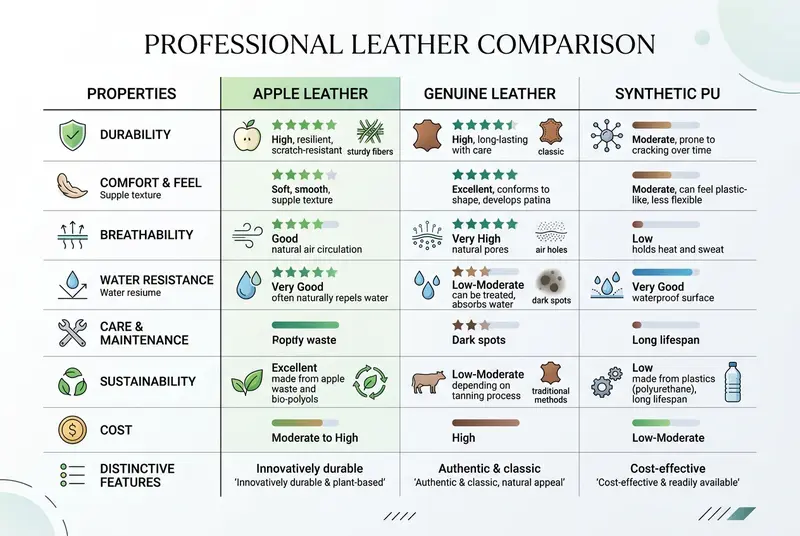
Handcrafted by laminating wafer-thin shavings of cork oak bark to a cotton backing, cork fabric matches the soft durability of animal leather while remaining 100% vegan. Its air-filled cell structures provide lightweight padding natively.
- Negative carbon footprint during harvest
- Naturally hypoallergenic and dust-free
- Distinctive premium woodgrain looks
- Slightly higher bulk sourcing cost
- Slightly lower stretch than neoprene
The Synthetic Standard: Neoprene
Invented by DuPont in the 1930s, neoprene (polychloroprene) is a synthetic rubber foam widely used in wetsuits. While highly durable, its petrochemical extraction makes it incompatible with corporate carbon reduction initiatives.
- Excellent flexibility and stretch fit
- 100% waterproof seal protection
- Lower wholesale entry point
- Petrochemical refining causes high carbon footprint
- Zero biodegradability; major landfill issue
- Can release synthetic chemical odors when new
Cork vs Neoprene FAQ
The primary difference lies in their origin and sustainability. Cork is a 100% natural, renewable, and biodegradable plant material harvested from tree bark. Neoprene is a synthetic rubber derived from petroleum or coal, which is non-biodegradable and chemical-heavy.
No, traditional neoprene carries a high environmental cost. It is a synthetic polymer (chloroprene) made from oil or gas refining, is highly energy-intensive to manufacture, and takes hundreds of years to break down in landfills, contributing to plastic pollution.
Both offer excellent shock protection. Neoprene relies on synthetic foam thickness, while cork utilizes its natural honeycomb cell structure, where millions of air-filled microscopic chambers absorb impact energy. When combined with a cotton inner lining, cork sleeves match neoprene's drop performance.
Neoprene is fully waterproof and impermeable. Cork is natively water-repellent (hydrophobic) due to its suberin content, meaning rain and liquid spills easily roll off. While neoprene is better for underwater submersion, cork provides outstanding protection for typical daily office commutes.
Cork offers a significantly higher perceived value. Its unique organic woodgrain aesthetic immediately communicates a brand's sustainability story and plastic-reduction commitment. Neoprene is often seen as a basic, utility-focused giveaway.
No. Despite its woodgrain look, cork fabric is incredibly lightweight because over 90% of its volume is composed of gas pockets. A cork sleeve is virtually identical in weight to a neoprene sleeve of equivalent size.
Both are highly durable. Synthetic neoprene resists tearing but can wear down over time. Cork fabric is highly resistant to friction and tearing, does not crack or crumble, and easily provides 2-3 years of active daily office use.
Neoprene production involves various plasticizers and chemicals. While finished neoprene is safe to touch, it can release off-gassing odors when new. Our natural cork fabric is processed using eco-friendly adhesives and is certified safe and non-toxic by SGS and REACH.
Yes. The natural honeycomb cells of cork fabric bounce back from scratches and friction. Combined with canvas backing and soft lining, it easily resists keys and pens inside office backpacks.
Cork is easier to maintain daily. It resists dust and dirt natively, requiring only a wipe down with a damp cloth. Neoprene easily absorbs dirt and odors and must be hand-washed and air-dried to stay clean.
Natural cork fabric is slightly more expensive in bulk due to the manual bark stripping process. However, it represents a far better investment for brands wanting to showcase strong carbon-neutral values and modern premium designs.
Generally, no. Neoprene is highly difficult to recycle because it is a thermoset plastic polymer. Most neoprene sleeves end up in landfills. In contrast, cork components are fully organic and biodegradable.
Ready to Source Custom Cork Sleeves?
Elevate your brand with the material that combines natural luxury, sustainability, and technical design.
Explore Cork Tech Accessories
See how natural cork is transforming modern office gear and laptop protection.
Start Your Bulk Custom Project
Looking to order customized cork laptop sleeves? Get professional service from design dielines to door-to-door delivery.
- Free Layout Digital Mockup
- FSC-Certified Cork Bark Fabric
- Low MOQ & Door-to-Door DDP Shipping