Hard Enamel vs. Soft Enamel: A Detailed Comparison for Pins & Keychains
When creating custom metal pins or keychains, the choice between hard and soft enamel is one of the most critical decisions you'll make. It affects the final look, feel, durability, and cost of your product. While both produce stunning results, they are fundamentally different processes.
This expert guide will break down the key differences, helping you choose the enamel style that best aligns with your brand's aesthetic and budget.
Quick Guide
- Hard Enamel: Smooth, polished, jewelry-quality finish.
- Soft Enamel: Textured, dimensional feel.
- Durability: Hard enamel is more scratch-resistant.
- Cost: Soft enamel is generally more cost-effective.
Understanding Hard Enamel (The Premium Choice)
The Process
In the hard enamel process, the enamel paint is overfilled into the recessed areas of the metal. The piece is then heated at a high temperature to harden the enamel, and finally, it is polished down until the enamel is perfectly level with the raised metal lines. This creates a single, smooth, flat surface.
- Best For: Corporate gifts, retail merchandise, and official branding where a premium, long-lasting finish is essential.
- The Result: A sophisticated, jewelry-quality pin or keychain with exceptional durability and a high-end feel.
Understanding Soft Enamel (The Classic Choice)
The Process
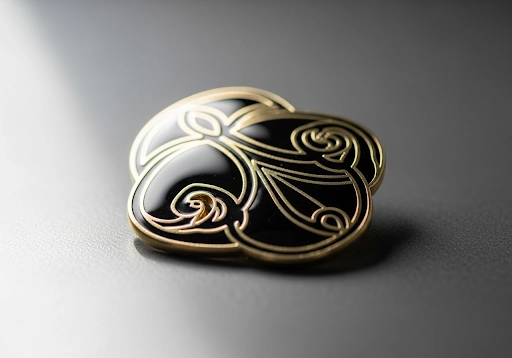
With soft enamel, the enamel paint is carefully filled into the recessed areas, but it is not overfilled. When it air-dries or is baked at a lower temperature, the enamel settles, remaining below the level of the raised metal lines. This creates a textured, dimensional design that you can feel.
- Best For: Events, giveaways, and designs that benefit from a tactile, 3D feel. It's the most popular and versatile option.
- The Result: A vibrant, high-quality pin or keychain with a classic, embossed look at a more accessible price point.
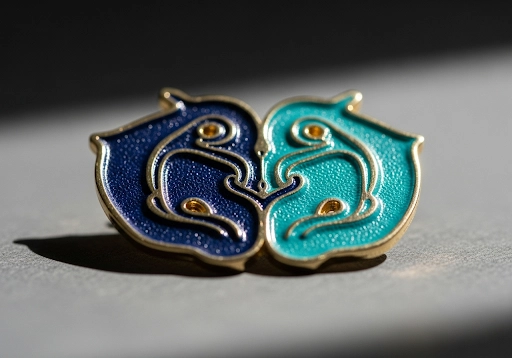
At-a-Glance Comparison
| Feature | Hard Enamel | Soft Enamel |
|---|---|---|
| Surface Finish | Smooth & Polished Flat | Textured & Recessed |
| Durability | Excellent (Scratch-resistant) | Very Good |
| Perceived Value | Jewelry-Quality, High | Classic, Standard |
| Color Options | Vibrant, Solid Colors | Vibrant, Solid Colors |
| Cost | Higher | More Cost-Effective |
Conclusion: Which Should You Choose?
Your decision should be guided by your brand's goals and budget:
Choose Hard Enamel If...
...your primary goal is to convey luxury, permanence, and the highest quality. It's the best choice for premium corporate gifts, executive awards, or retail products where durability is paramount.
Choose Soft Enamel If...
...you need a versatile, cost-effective, and high-quality product with a classic, tactile feel. It's the perfect all-rounder for events, employee recognition, and large-scale promotions.
Frequently Asked Questions
Find quick, expert answers about hard vs. soft enamel sourcing.
Yes. The high-temperature baking and polishing process makes the enamel in hard enamel pins much more durable and resistant to scratching compared to the air-dried enamel in soft enamel pins.
Yes. Adding a clear epoxy dome over a soft enamel pin can protect the recessed enamel and create a smooth, glossy finish, giving it a look that mimics hard enamel at a lower cost.
Both styles can reproduce fine details well. However, the polishing process of hard enamel can sometimes soften very fine metal lines slightly. For designs where preserving the absolute sharpest metal detail is crucial, soft enamel can be a better choice.
Yes. For both hard and soft enamel, we can mix the enamel paint to match your specific Pantone (PMS) color codes, ensuring perfect brand color accuracy.
Special effects like glitter are most commonly used with soft enamel, as the recessed areas hold the glitter well. It is possible but less common with hard enamel due to the flat polishing process.
Hard enamel is more expensive due to the additional labor-intensive steps in the process, including overfilling the enamel, baking at high temperatures, and multiple rounds of grinding and polishing to create the smooth, flat surface.
Because keychains are subject to more daily wear and tear (scratches from keys), the superior durability and scratch-resistance of hard enamel make it an excellent choice if the budget allows. However, a high-quality soft enamel keychain is also very durable and a fantastic option.
Yes. Both processes require a one-time mold fee (or 'tooling fee') to create the custom steel die (stamp) for your design. This is a one-time charge; we do not charge it again for re-orders of the same design.
Absolutely. This is critical for E-E-A-T. We ensure all enamel paints and metal platings are tested and certified to be free from harmful levels of substances like lead and cadmium, meeting both REACH and Prop 65 standards.
Yes. We can use a Die Cast (molding) process for complex 3D shapes (like a mascot's face) and then fill specific recessed areas with soft enamel to add color. This is a common technique for highly custom, sculpted pins.
Ready to Craft Your Perfect Pin or Keychain?
Now that you're an expert on enamel styles, let our team guide you on the next steps—plating, attachments, and packaging.
Explore Our Pin Sourcing Solutions