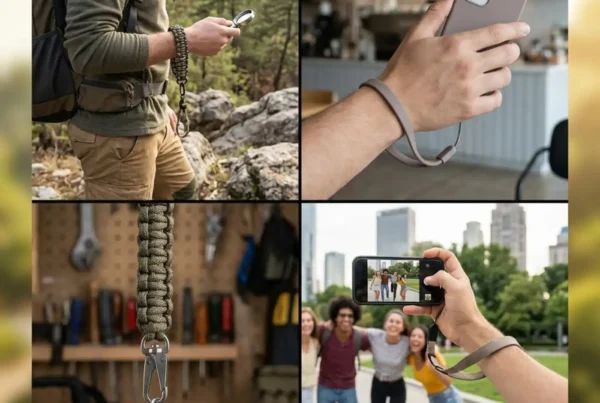
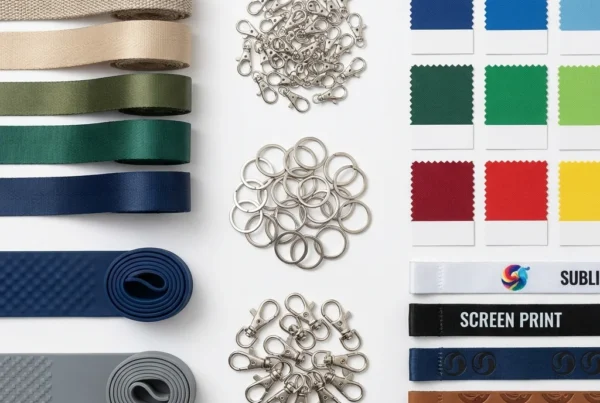
How to Use Wrist Lanyards Safely: Essential Tips & Care Guide
Wrist lanyards are simple accessories, but using them correctly and safely can extend their lifespan and prevent accidents. This guide covers proper wearing techniques, weight limits, safety features, cleaning methods, and when to replace your strap.
Whether you're using a phone wrist strap, key lanyard, or badge wristband, these best practices will keep you safe and your gear in top condition.
Quick Safety Guide
- Wearing: Proper wrist loop vs finger loop techniques.
- Weight Limits: Know your strap's load capacity.
- Safety Features: Breakaway, swivel & reinforced stitching.
- Cleaning: Care methods for each material type.
Proper Wearing Techniques
How you wear your wrist lanyard affects both comfort and security.
| Method | Best For | Technique |
|---|---|---|
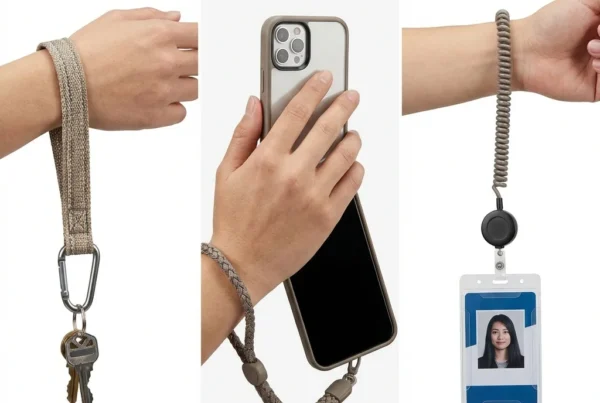
| 🖐️ Wrist Loop | Keys, light items | Slide hand through loop, tighten above wrist bone. Leaves fingers free. |
| 👆 Finger Loop | Phones, cameras | Loop around 2-3 fingers for quick grip release. Better for photography. |
Weight Limits & Load Capacity
Exceeding weight limits can cause strap failure or wrist strain.
| Material | Safe Daily Load | Breaking Strength | Recommended Items |
|---|---|---|---|
| Nylon/Polyester | ≤ 500g | 15-25kg | Keys, USB, badge |
| Silicone | ≤ 300g | 5-15kg | Keys, light items |
| Paracord | ≤ 1kg | 250+ kg | Phone, camera, multi-tool |
Rule of Thumb: For phone usage (200-400g), use nylon or paracord. Silicone is better for lightweight keys only.
Built-in Safety Features
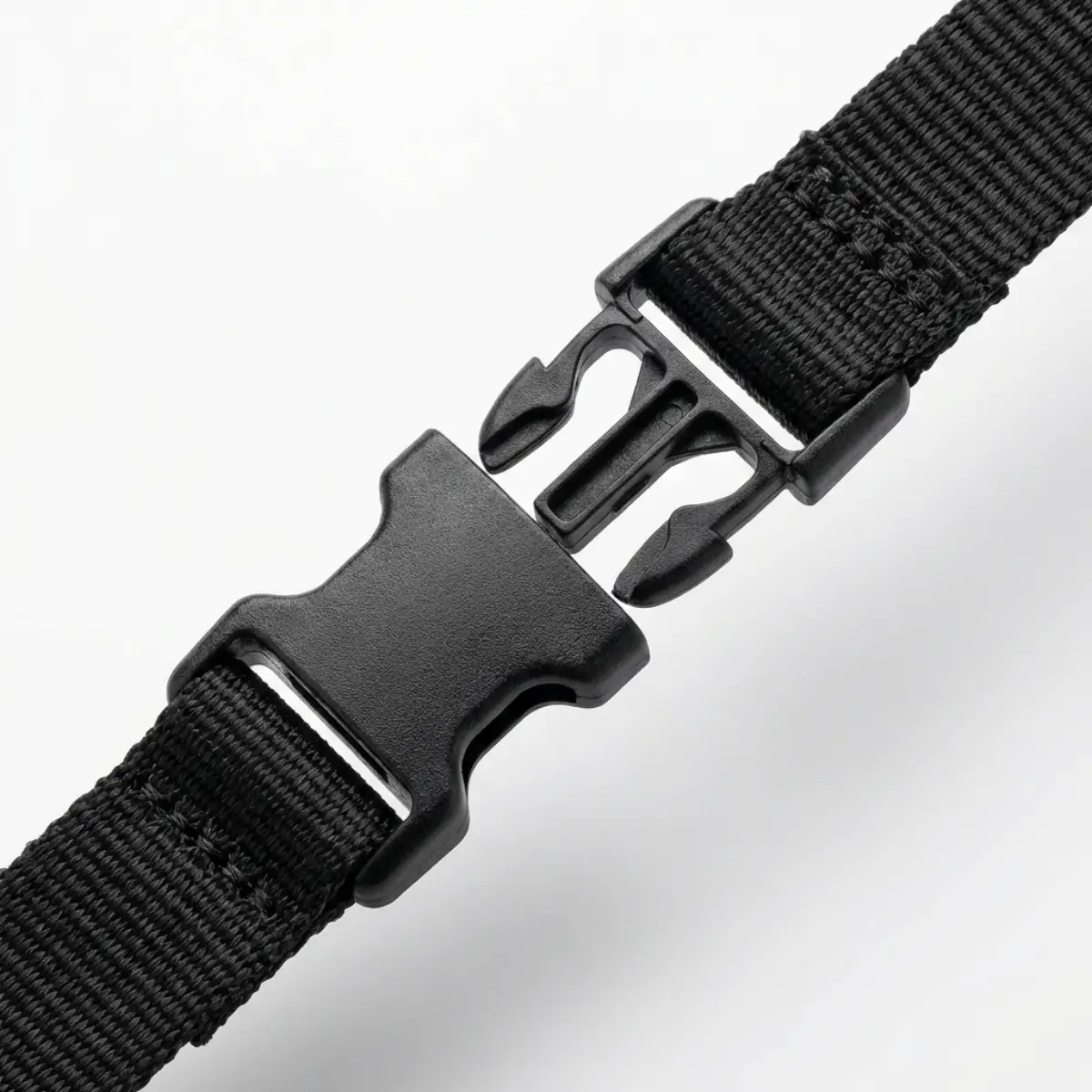
1. Breakaway Safety Connector
Releases under 3-5kg force. Prevents choking or entanglement injuries – essential for workplace compliance.
- Breakaway Connector: Releases under pressure to prevent injury.
- Swivel Mechanism: 360° rotation prevents strap twisting.
- Adjustable Length: Slider or knot adjustment for proper fit.
- Reinforced Stitching: Box-X or bar-tack at stress points.
2. Connecting to Devices
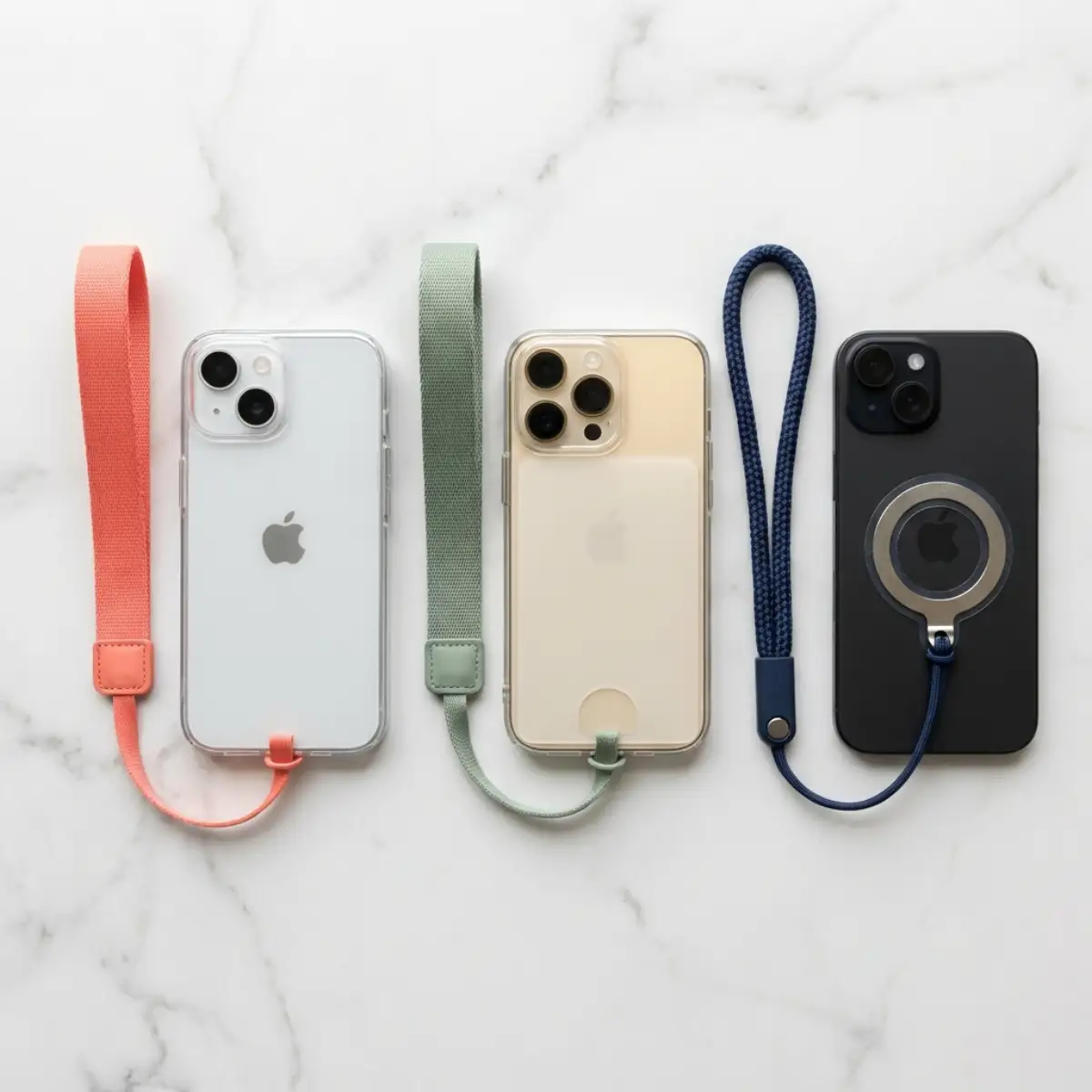
Smartphones: Use case lanyard hole, slot-in card, or adhesive patch.
- Case with lanyard hole: Thread tab through hole, pull tight.
- Slot-in card: Insert between phone and case before snapping.
- Adhesive patch: Clean surface, apply patch, wait 24h before use.
- Keys: Split ring for permanent, lobster claw for easy transfer.
3. Cleaning & Care Guide
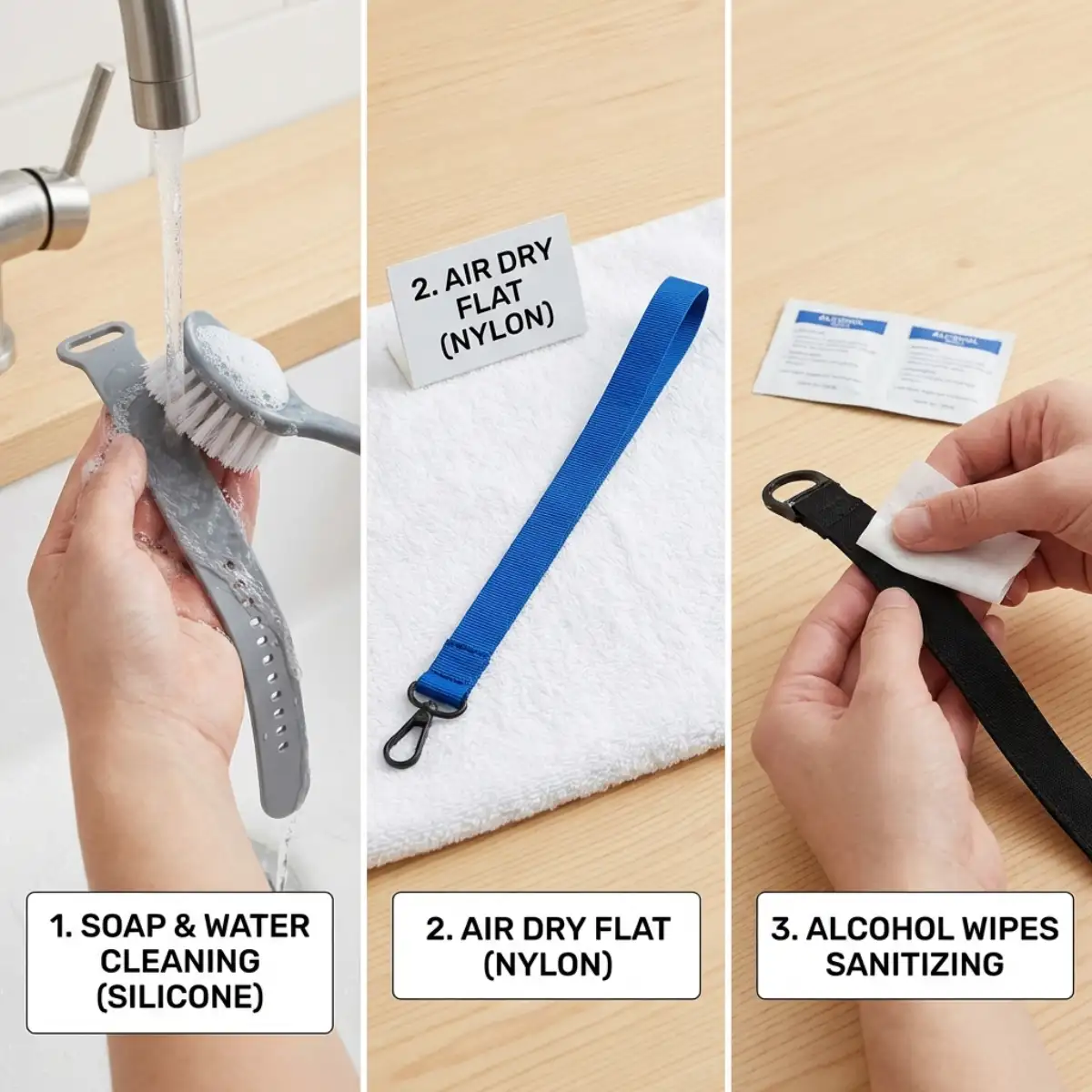
Proper maintenance extends lifespan and prevents bacteria buildup.
- Nylon/Polyester: Hand wash with mild soap, air dry flat.
- Silicone: Wipe with soap & water, sanitize with alcohol wipes.
- Paracord: Hand wash, scrub gently, hang to air dry (24h+).
- PU Leather: Damp cloth only, condition with leather cream.
When to Replace Your Wrist Lanyard
| Warning Sign | Description | Action |
|---|---|---|
| Fraying | Visible fiber separation at edges or stitching | Replace immediately |
| Stretching | Elastic no longer returns to original length | Replace |
| Clasp Damage | Bent, stuck, or loose hardware | Replace or repair |
| Odor | Persistent smell after cleaning | Replace (bacterial growth) |
Typical Lifespan: Nylon 2-3 years, Silicone 1-2 years, Paracord 5+ years with proper care.
Frequently Asked Questions
No. Remove all wrist lanyards before sleeping to prevent entanglement or circulation issues.
Only if too tight or carrying excessive weight. Adjust length and reduce load if discomfort occurs.
Only with breakaway safety connectors. Never for children under 3 due to choking hazard.
Yes, but use silicone (waterproof, won't absorb sweat). Remove during high-impact activities.
Upgrade to paracord or reinforced nylon. Standard silicone may stretch under 400g+ phones.
Not recommended. Hand washing is gentler and extends lifespan. Machine wash may damage clasps.
Heat gently with hairdryer (30 seconds), then peel slowly. Use rubbing alcohol to remove residue.
Yes, FDA-grade silicone is hypoallergenic. Safe for most sensitive skin types.
Nylon: yes, cut and heat-seal ends. Silicone: no. Paracord: yes, re-braid after cutting.
Bacteria from sweat. Clean with soap/alcohol wipes after each workout.
Minor fraying: seal with lighter flame (nylon only). Significant damage: replace for safety.
Cool, dry place away from direct sunlight. UV exposure degrades nylon and fades colors.
Need High-Quality Wrist Lanyards?
Our straps are built with safety features and premium materials.
Explore Wrist Lanyards
Browse our collection and related guides.
Request Samples
Get samples with different safety features and materials.
- ✓ Free Sample Kit
- ✓ Breakaway Safety Connectors
- ✓ Multiple Material Options