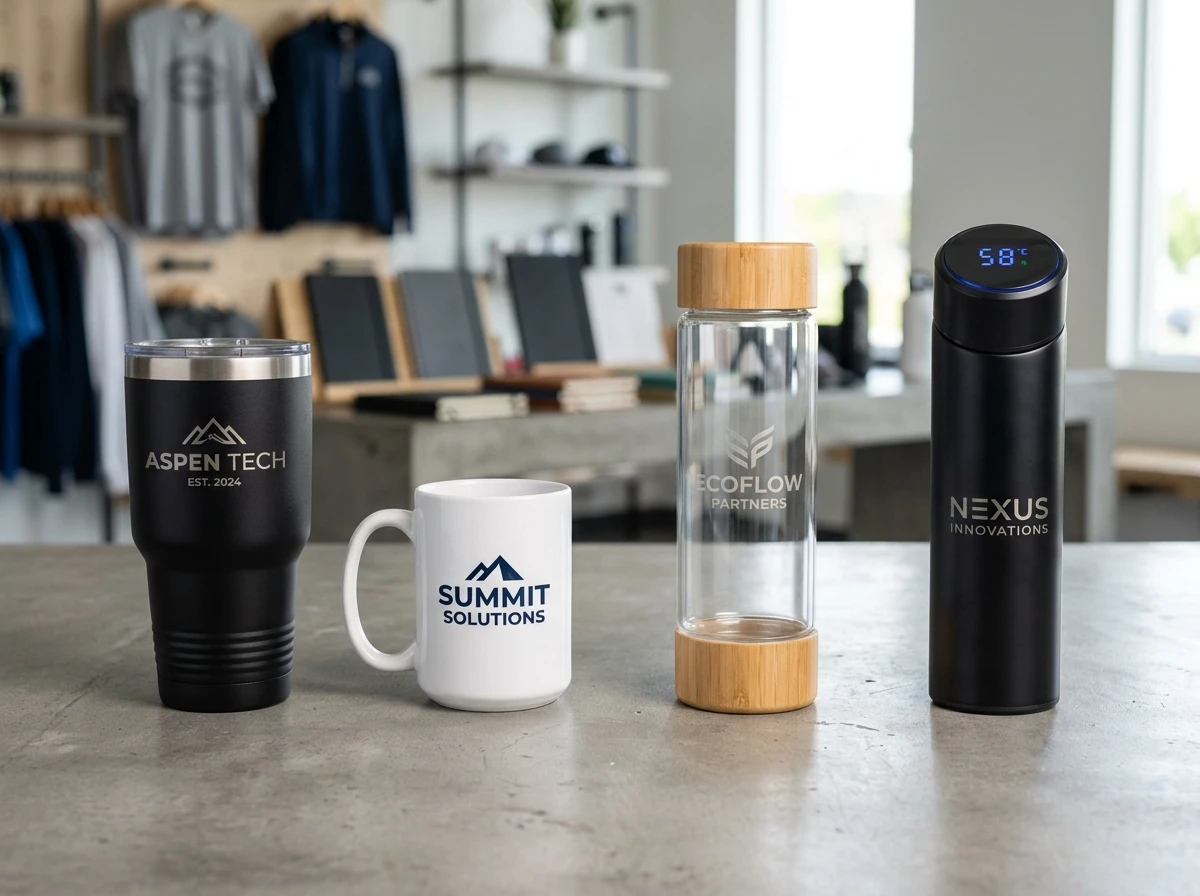
Corporate drinkware remains one of the highest-retention merchandise categories worldwide, generating over 1,400 daily brand impressions per active user. As global enterprises prepare procurement budgets for 2027, the category is shedding legacy single-wall plastics and basic stainless steel flasks. Sourcing teams now prioritize true-taste ceramic inner barriers, circular modular lid assemblies, and verified European Digital Product Passport (EU DPP) compliance.
Executive Summary: 2027 Drinkware Sourcing Benchmarks
- True-Taste Ceramic Liners: Non-porous nano-ceramic internal sprays eliminate metallic odor transfer while preserving 24-hour thermal cold curves.
- Modular Screwless Lids: Press-fit Tritan and magnetic sliders engineered without toxic glues for 100% component-level recycling and sanitization.
- Regulatory DPP Traceability: Laser-engraved GS1 DataMatrix codes linking directly to factory carbon footprints and material transaction certificates.
- Industrial Matte Powder Finishes: Electrostatic powder coatings tested across 500+ commercial dishwasher wash cycles without surface peeling.
- Phygital Employee Engagement: NFC-embedded base plates that connect physical hydration vessels to enterprise wellness portals and conference apps.
1. Material Science: The Shift from Bare Steel to Nano-Ceramic Barriers
For over a decade, double-wall vacuum insulated bottles relied exclusively on electropolished 304 stainless steel liners. While structurally sound, bare steel poses persistent sensory challenges for specialty coffee, citric beverages, and herbal infusions.
Acidic compounds react microscopically with metallic ions, resulting in noticeable metallic aftertastes and stubborn organic stains. In response, 2027 procurement specifications demand internal nano-ceramic barriers.
Factory application involves electrostatic spraying of inorganic silica particles directly onto the inner copper-shielded wall, followed by high-temperature thermal curing at 280°C.
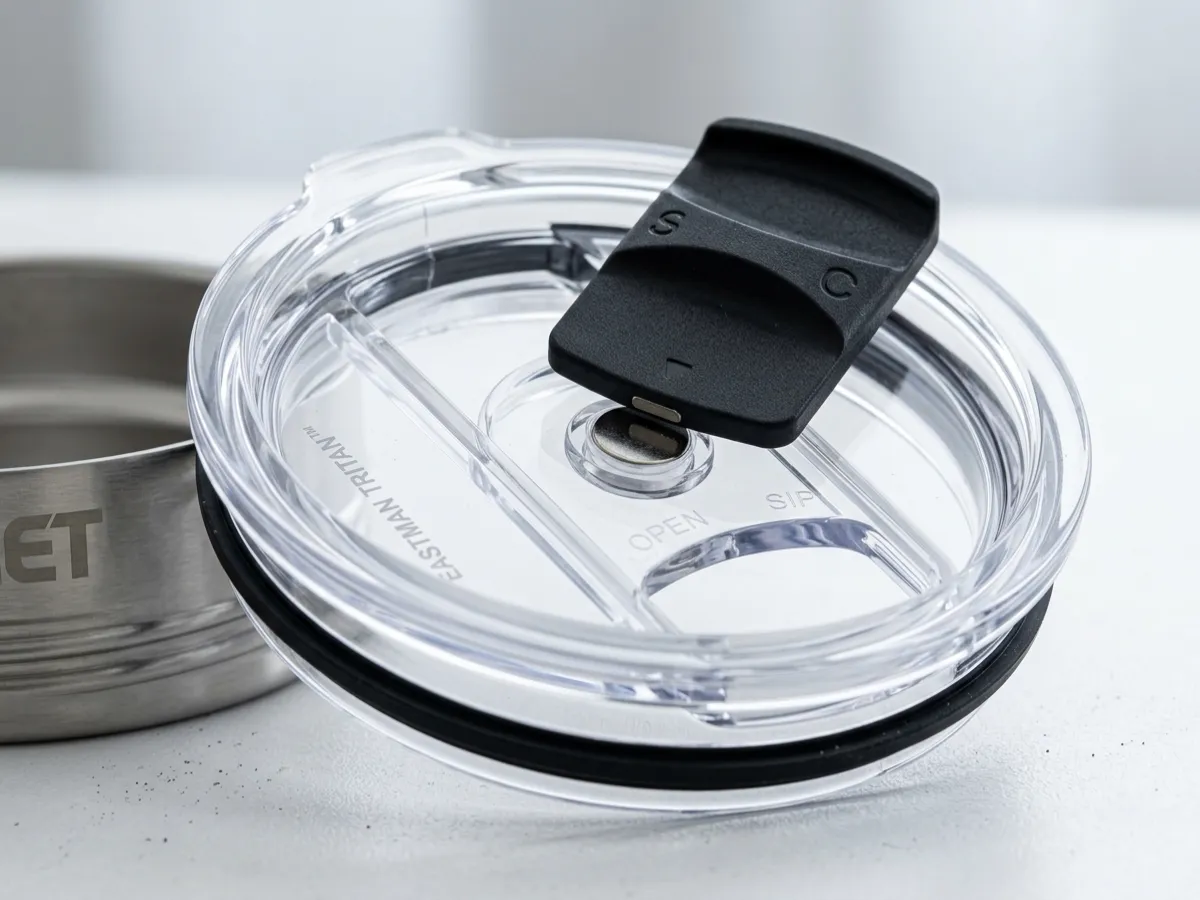
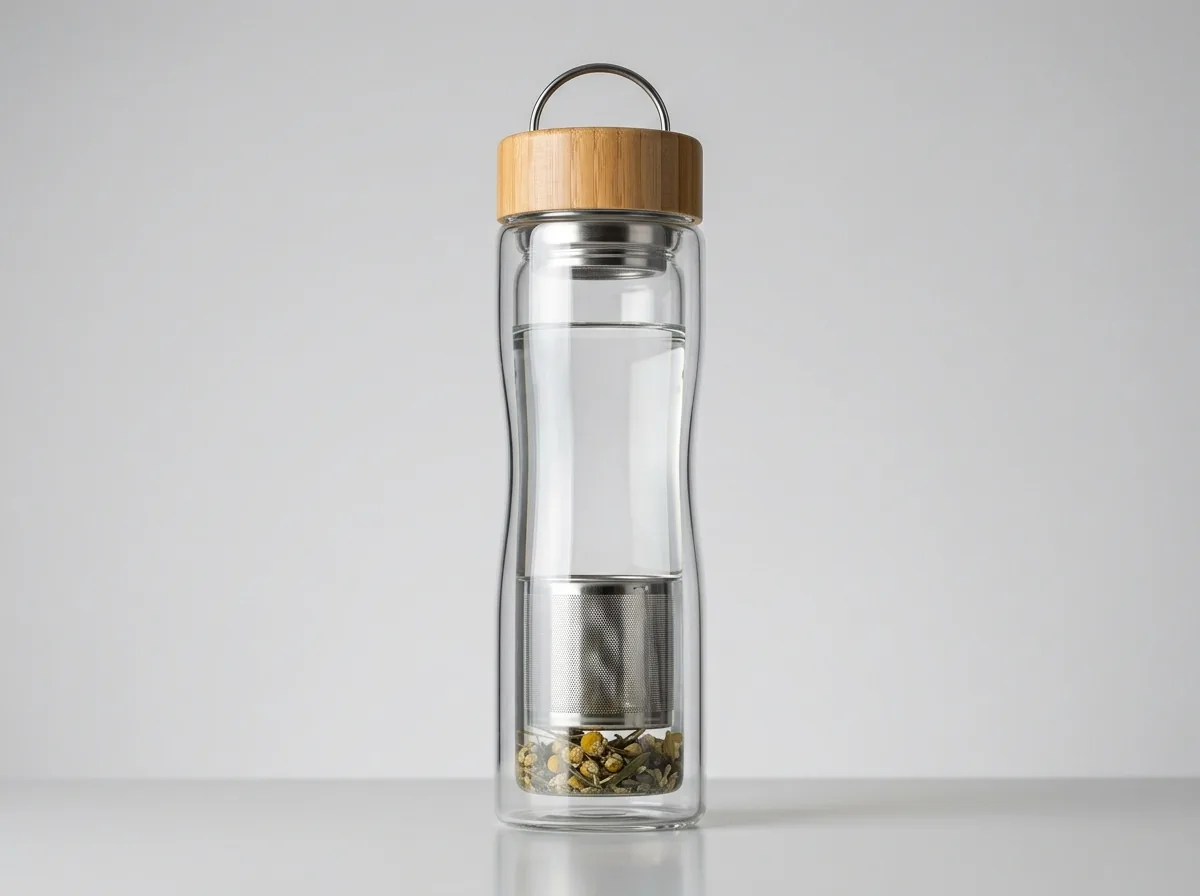
Modular leak-proof magnetic slider lid disassembly enables thorough dishwasher cleaning and component recycling.
The resulting vitrified layer measures 25–35 microns in thickness. It creates a diamond-smooth, non-reactive shield that resists cross-hatch adhesion failure under standard ASTM D3359 testing.
| Engineering Metric | Standard SUS304 Liner | Medical SUS316L Liner | True-Taste Ceramic Layer |
|---|---|---|---|
| Sensory Purity (Flavor Inertness) | Moderate (Metalic notes with coffee/tea) | High (Minimal ion release) | 100% Pure (Zero taste transfer) |
| Acid & Chloride Resistance | Standard (Susceptible to pitting) | Superior (Resists saltwater & citric acid) | Inert (Vitrified silica barrier) |
| Thermal Cold Retention (24h) | 4°C to 11°C | 4°C to 10°C | 4°C to 9°C (Internal copper shield) |
| Dishwasher Abrasion Benchmark | 300+ cycles | 400+ cycles | 500+ cycles (Cured ceramic enamel) |
| Primary Volume Application | Mass event giveaways | Sports & marine expeditions | Executive gifting & premium retail |
2. Modular Lid Engineering: Screwless Disassembly & Zero-Leak Fluid Dynamics
The most frequent warranty claim in corporate drinkware stems from lid failure. Cheap press-in lids with glued plastic tabs frequently crack under thermal expansion or trap mold inside unvented gaskets.
The 2027 design standard centers on clean modularity. Every lid component must dismantle by hand without tools for sanitization and eventual polymer sorting.
Consider the core mechanics of high-spec modular closures:
- Magnetic Slider Traps: Neodymium magnets secure the drinking port without friction tabs, eliminating plastic fatigue and micro-plastic shedding.
- Dual-Action Gasket Profiles: Platinum-cured food-grade liquid silicone rings feature dual compression ribs that withstand 0.8 bar inverted pressure spikes.
- BPA-Free Eastman Tritan TX2001: Copolyester resin construction delivers crystal clarity, drop-impact shatter resistance, and complete odor inertness.
- Removable Vent Valves: Silicone pressure-relief diaphragms release steam before opening to prevent hot liquid splatter during transit.
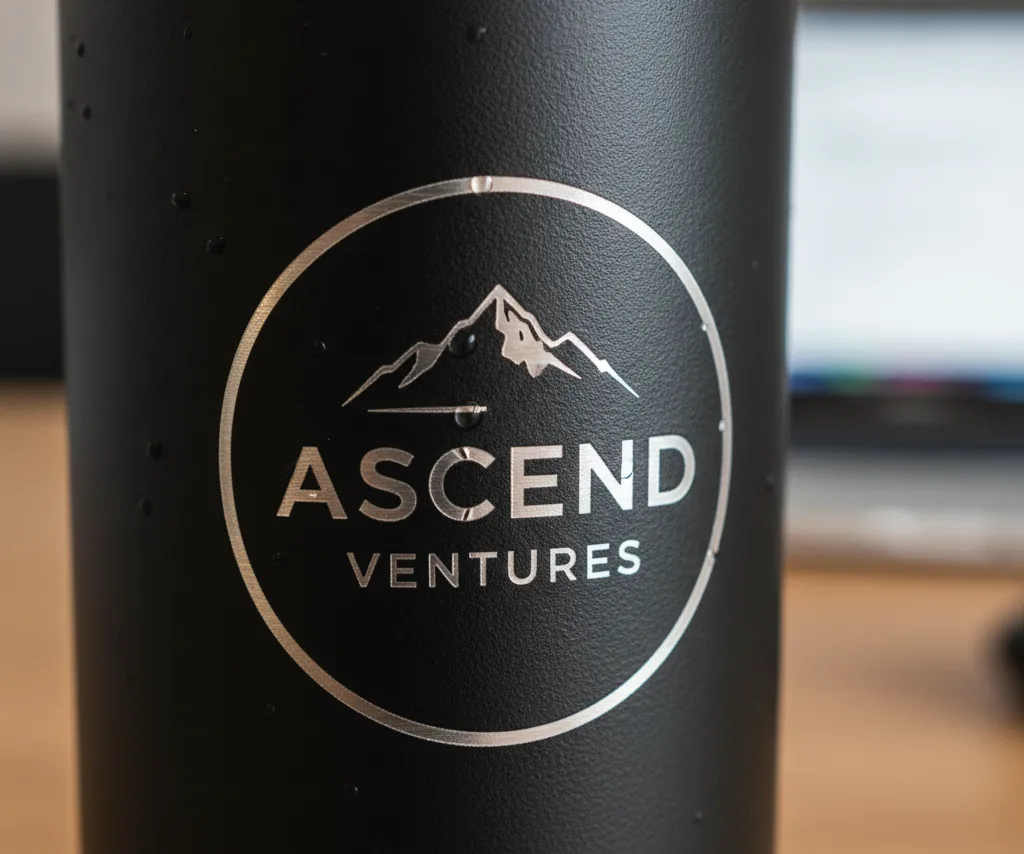
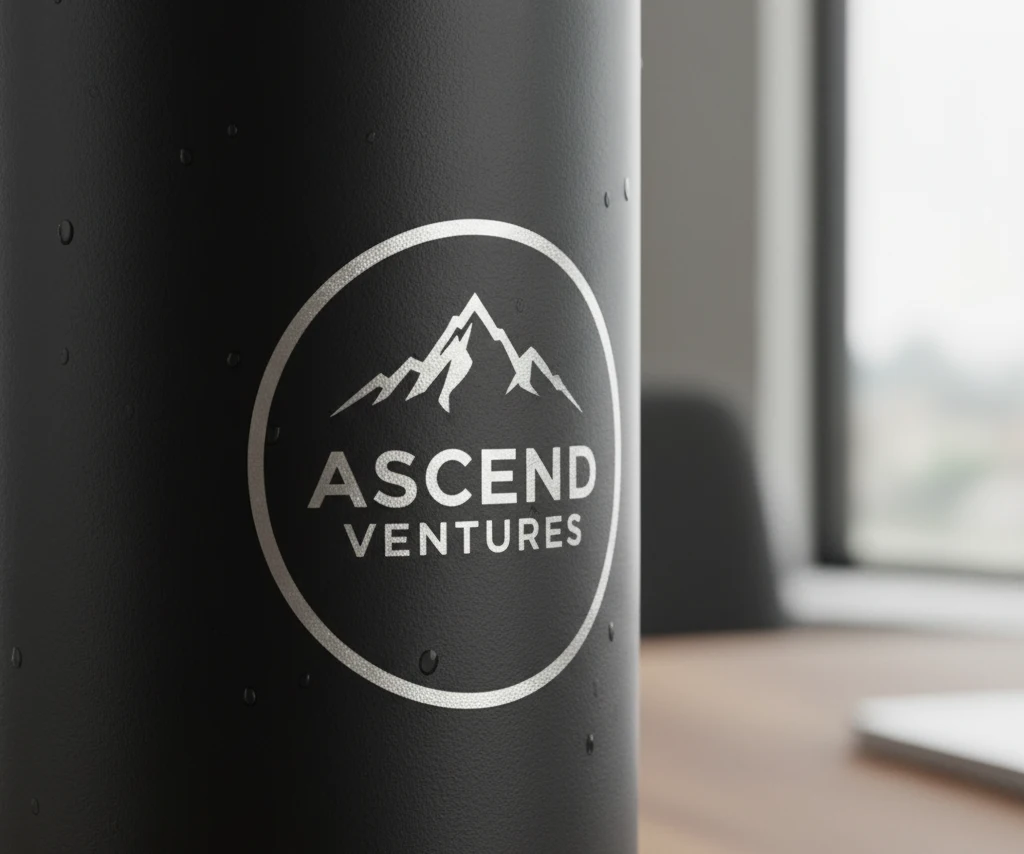
Rotary fiber laser etching penetrates outer electrostatic coatings to reveal raw 304 steel base metal with sub-millimeter precision.
3. Regulatory Mandate: EU Digital Product Passports (ESPR) & Supply Chain Audits
Beginning in early 2027, the European Union Ecodesign for Sustainable Products Regulation (ESPR) imposes strict Digital Product Passport requirements on consumer articles entering the European Single Market.
Corporate merchandise directors cannot risk customs seizures or compliance fines on high-volume promotional orders.
Here is how factory production lines integrate compliance at the molding stage:
- GS1-Compliant Laser QR Codes: Each bottle base features a permanent 8mm square laser-etched DataMatrix linking to a verified EU digital registry.
- Material Composition Transparency: Passports disclose recycled stainless steel content percentages, alloy grade certifications, and silicone curatives.
- Carbon Footprint Accounting: Scope 1 and Scope 2 manufacturing emissions per unit are calculated using third-party ISO 14064 verified data.
- Recycling End-of-Life Instructions: Clear material codes (SUS316 body, Tritan lid, Silicone gasket) guide municipal waste sorting streams.
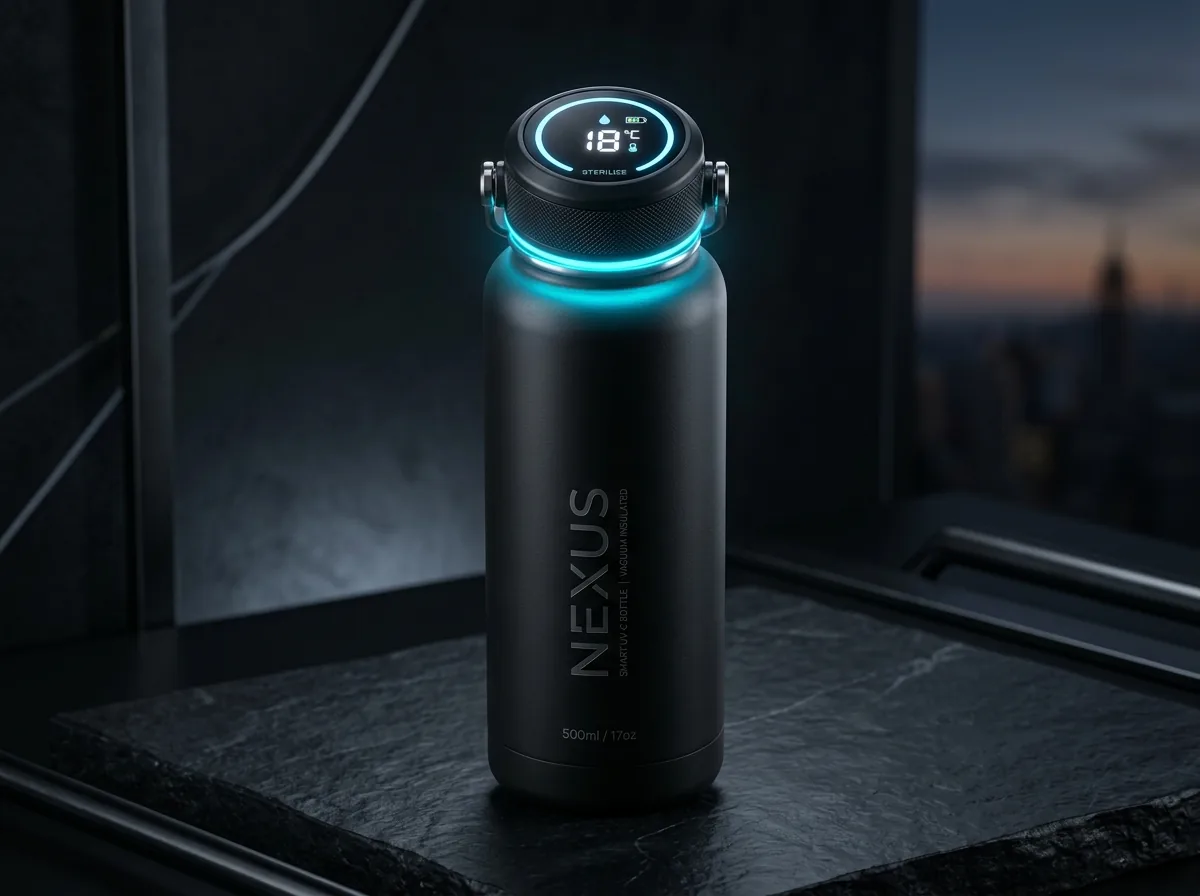
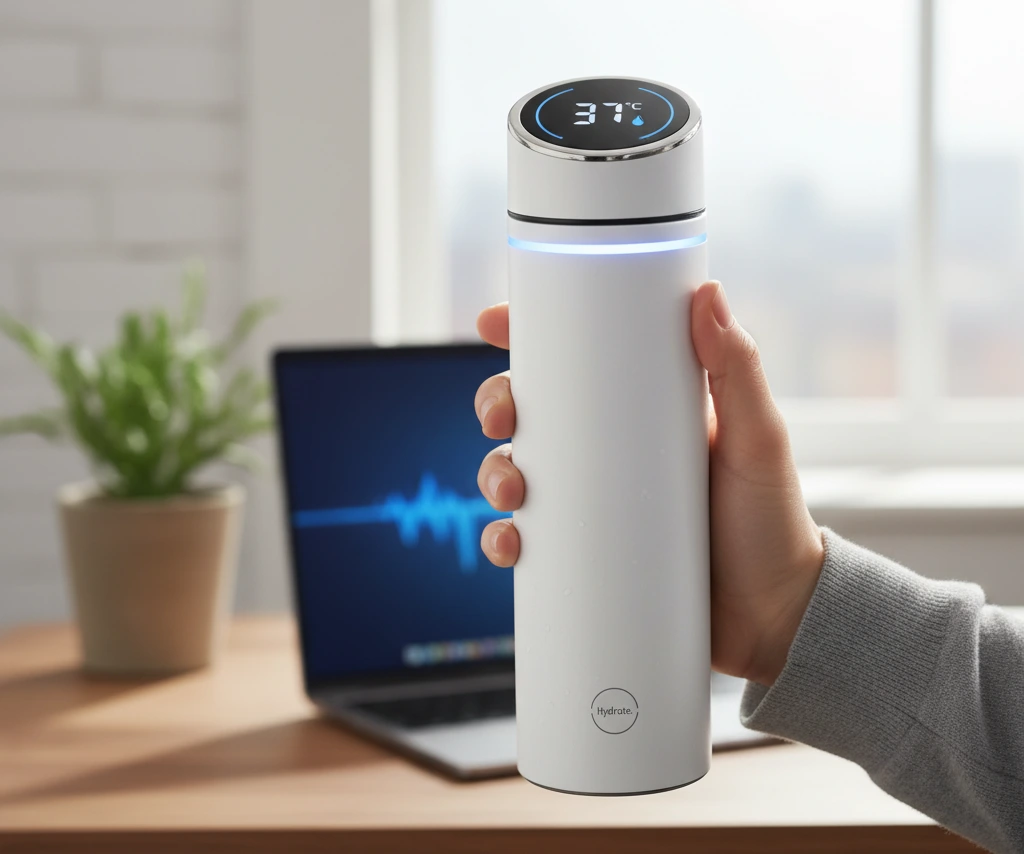
Smart sanitizing lids integrate 275nm UV-C micro-diodes that eliminate biological contaminants in 180 seconds.
4. Surface Finishes & Industrial Branding Longevity
Corporate logos that scratch or peel within weeks damage the sponsoring company's reputation. Commercial procurement requires heavy-duty surface finishes matched to industrial washing standards.
The 2027 branding toolkit focuses on three high-durability execution methods:
- Fine-Grit Electrostatic Powder Coating: Thermosetting polymer powder baked at 200°C creates an anti-slip, sweat-free tactile texture that masks hand grease.
- 360° Seamless Rotary Fiber Laser Etching: High-frequency galvo heads strip the colored exterior coating, exposing gleaming mirror-polished steel beneath without ink waste.
- Micro-Relief 3D UV Varnish Printing: Multi-pass digital printing applies raised tactile patterns with up to 0.5mm physical depth, curing instantly under cold LED lamps.
5. Factory Wholesale Economics & Tiered Price Curve
Understanding volume pricing dynamics allows sourcing directors to optimize carton allocations and transport modes. Tooling amortizations for custom silicone molds or custom lid colors require baseline factory run quantities.
The matrix below reflects direct OEM manufacturing costs for a 24oz (710ml) ceramic-lined thermal tumbler with modular magnetic slider lid:
| Production Tier | Unit Cost (FOB Ningbo) | Tooling / Setup Surcharge | Production Turnaround | Recommended Freight Mode |
|---|---|---|---|---|
| 500 pcs (Baseline MOQ) | $7.45 – $8.15 | $120 (Rotary laser fixture) | 12–15 Working Days | Air Express or Ocean DDP |
| 1,000 pcs (Standard Corporate) | $6.25 – $6.80 | Waived | 15–18 Working Days | Fast Vessel DDP (18–22 Days) |
| 5,000 pcs (Regional Campaign) | $5.10 – $5.55 | Waived + Custom Colorway | 20–25 Working Days | Standard Ocean FCL/LCL |
| 20,000+ pcs (Enterprise Contract) | $4.20 – $4.65 | Waived + Free Custom Lid Mold | 30–35 Working Days | Ocean Container Direct DDP |
Need Technical Feasibility Review & Tiered Factory Pricing?
Submit your vector artwork and target volume to receive a comprehensive engineering feasibility assessment, formal tiered BOM pricing, and DDP freight breakdown within 24 hours. Custom pre-production prototype sample fees are 100% refundable upon mass production order.
Request Formal Factory Quote & Spec Sheet →Frequently Asked Questions
1. What international food safety certifications cover your ceramic-coated drinkware?
All finished vessels undergo rigorous third-party lab testing certified by SGS and Intertek. Testing confirms complete compliance with US FDA 21 CFR 175.300, European LFGB Section 30/31, California Proposition 65 lead limits (< 90 ppm), and total PFAS/BPA-free compound screenings. Full testing certificates accompany every production batch.
2. What is the standard factory minimum order quantity (MOQ)?
Our standard production baseline starts at 500 units per custom colorway or design. This volume ensures efficient heating chamber loading for powder coating and amortizes setup overhead on laser engraving fixtures. For bespoke Pantone pantone matching outside our standard library, the minimum threshold is 1,000 units.
3. What is your pre-production sampling timeline and refund policy?
Physical prototype samples with custom laser etching or 3D UV print require 4 to 6 working days. We charge a nominal tooling and setup fee of $80 to $150 depending on technique complexity. This sample fee is 100% fully credited and refunded toward your balance upon placing the mass production order meeting standard MOQ.
4. How do you prevent internal ceramic coating delamination during shipping and washing?
We enforce automated surface sandblasting before spraying to create a microscopic anchor tooth profile. After thermal curing at 280°C, samples from every lot undergo 500-cycle industrial dishwasher testing and cross-hatch tape adhesion tests (ASTM D3359 Class 5B). Delamination rates in field logistics measure below 0.05%.
5. Can we customize the retail packaging to meet plastic-free corporate guidelines?
Yes. We engineer plastic-free unboxing presentations using FSC-certified unbleached kraft paper tubes, corrugated mailers with soy-based ink printing, and protective tissue wraps. We eliminate bubble wrap and plastic polybags entirely upon request to help clients fulfill corporate sustainability targets.
6. How is quality control handled on mass production orders?
Production follows strict ISO 2859-1 standards operating under AQL 1.5 Critical, AQL 2.5 Major, and AQL 4.0 Minor tolerances. Every finished unit undergoes a 1.2 bar compressed air leak check before packing. Buyers receive pre-shipment quality inspection reports including dimensional, cosmetic, and barcode verification.
7. What are typical ocean freight transit times under DDP terms?
We provide turnkey Delivered Duty Paid (DDP) door-to-door forwarding. Transit times typically run 18 to 22 calendar days for West Coast US ports, 28 to 32 days for East Coast US, and 25 to 30 days across major Western European hubs. Customs clearance, harbor tariffs, and final inland transport are fully handled.